Value of Design Symposium 2026: Circularity Moving from Vision to Implementation
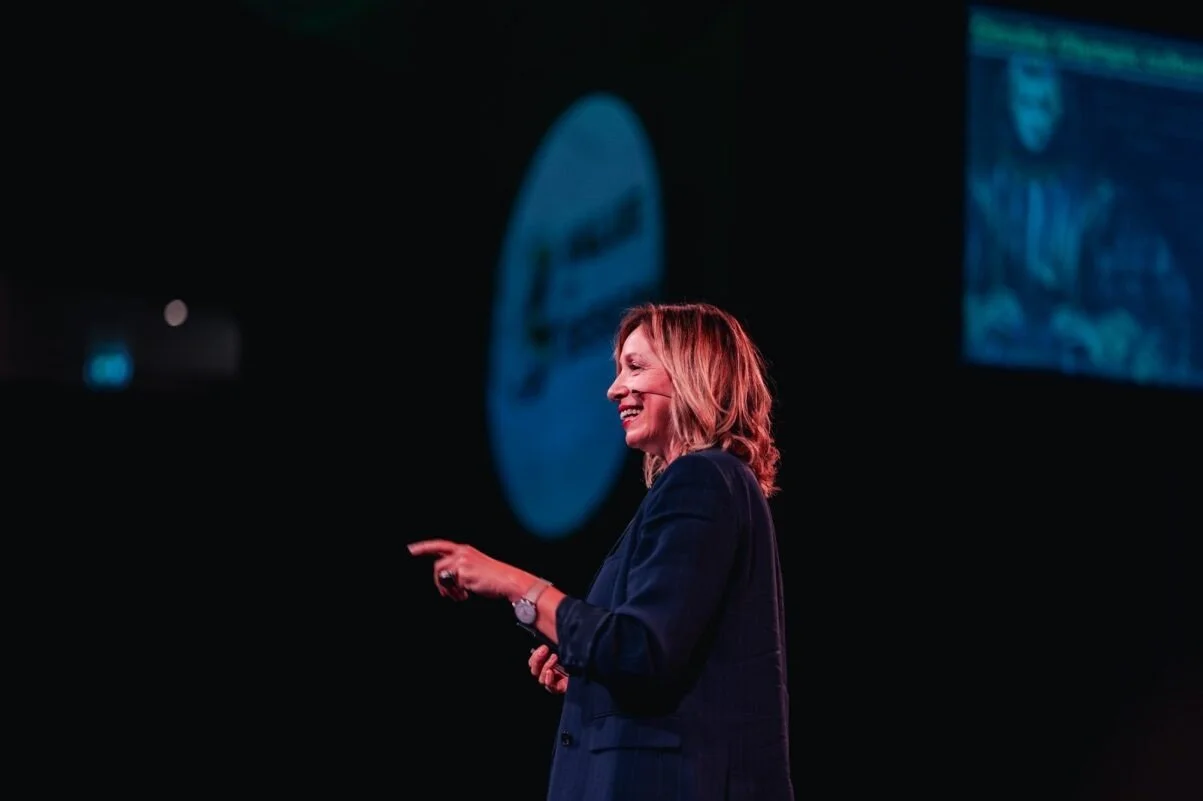
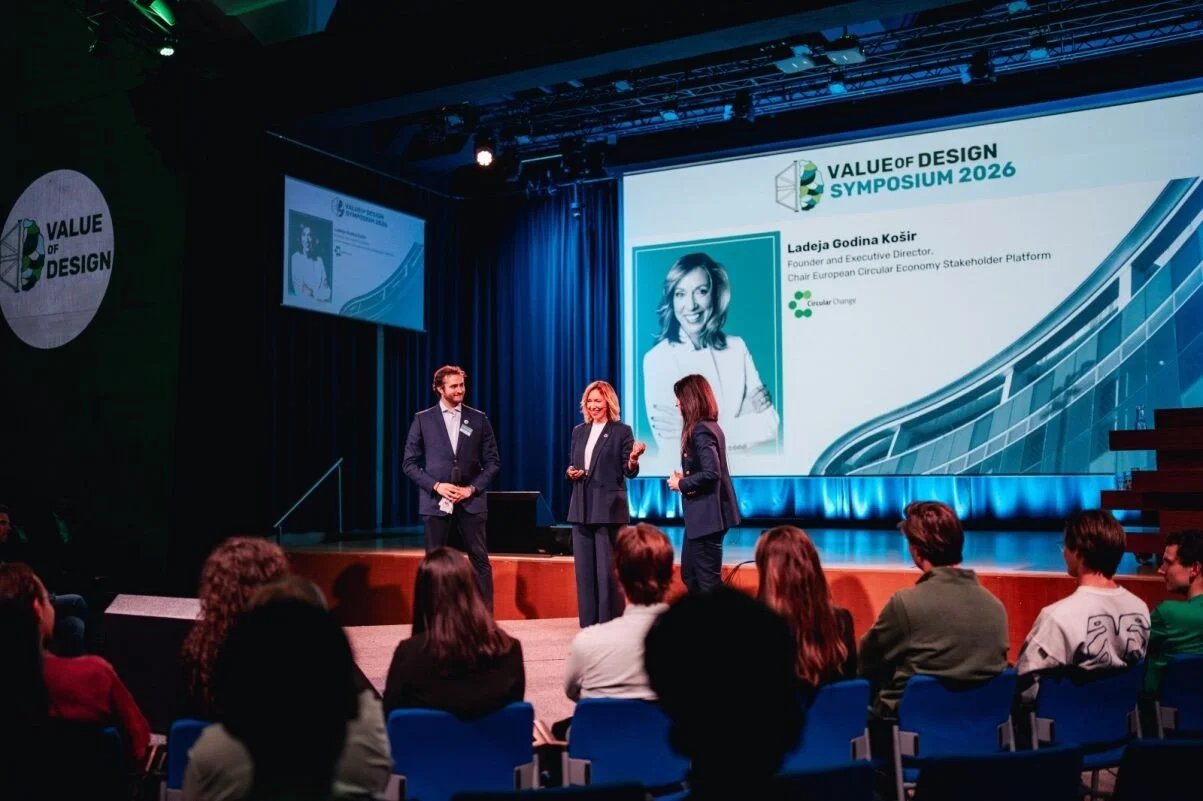
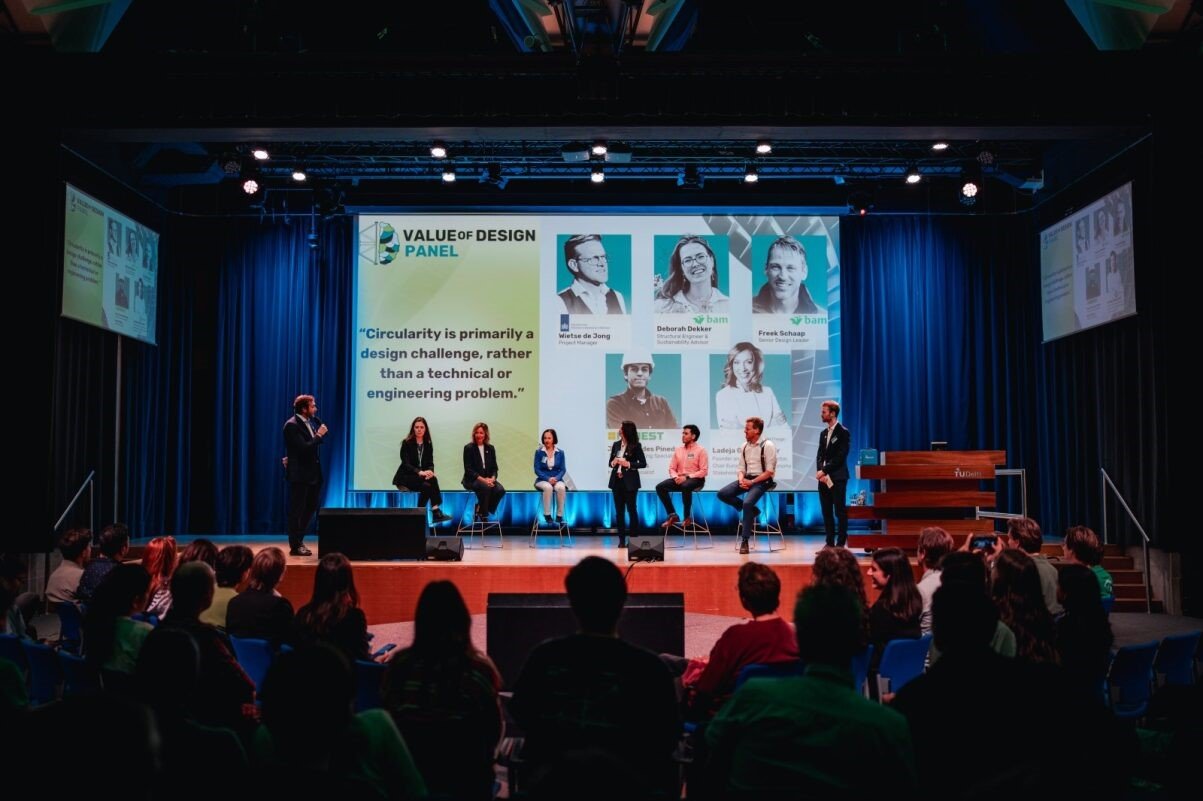
At the 2026 edition of the Value of Design Symposium at Delft University of Technology, Ladeja Godina Košir joined the programme as Pioneer Speaker, contributing a systemic circular economy perspective to discussions on the future of design, engineering and the built environment.
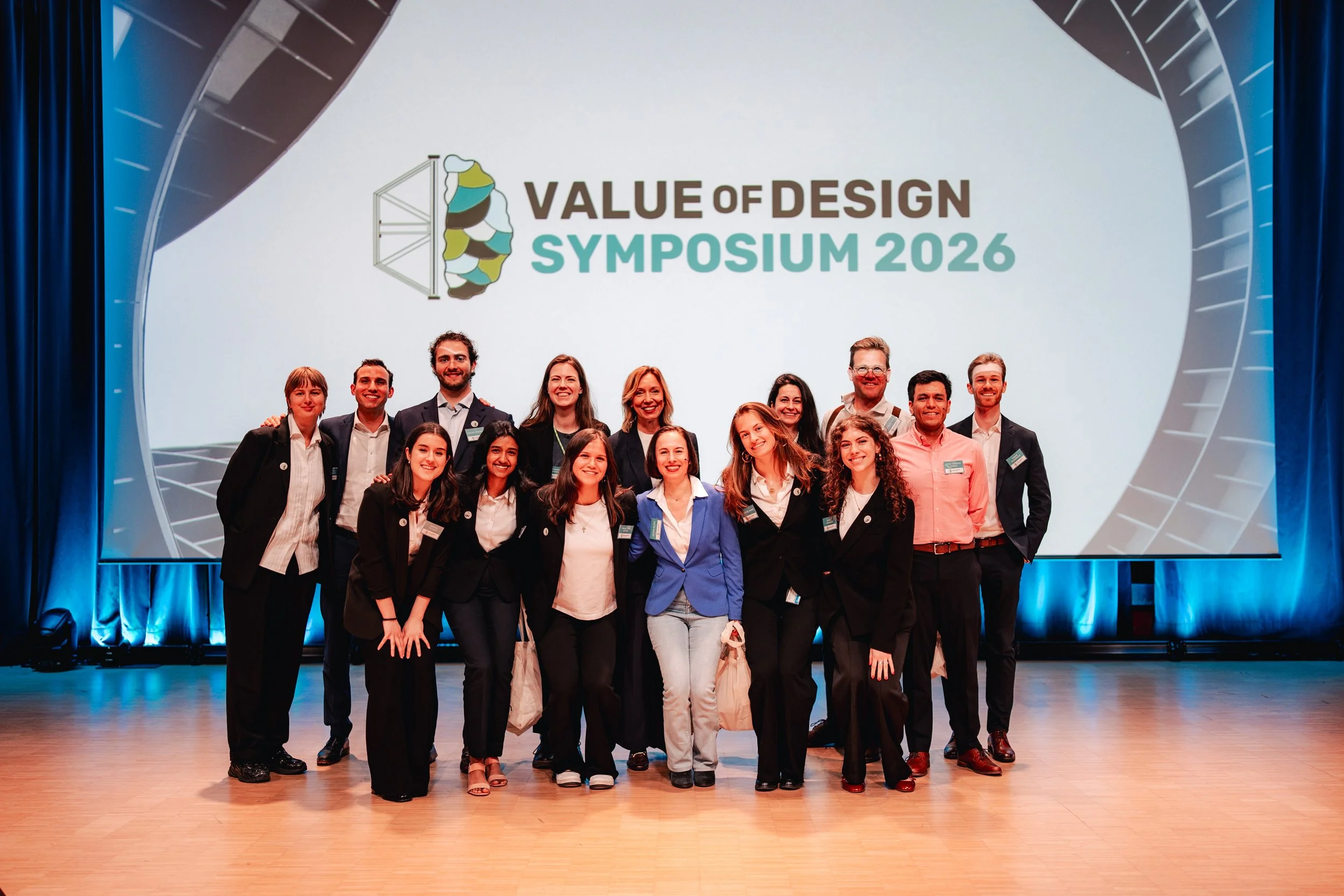
This year’s symposium, organised under the theme “Resource to Re-Source: Circular Engineering for Our Future”, explored how circular principles are reshaping construction, infrastructure and design practices through stronger integration of architectural quality, engineering and long-term resource thinking.
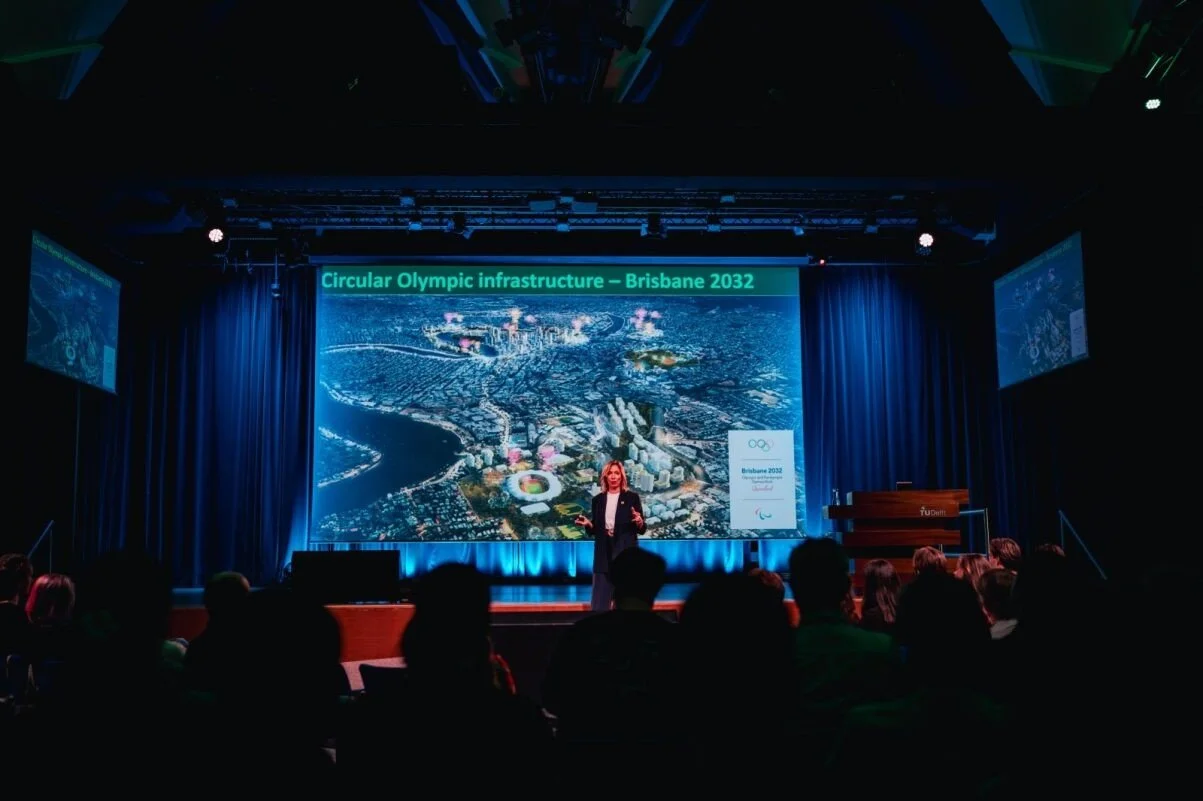
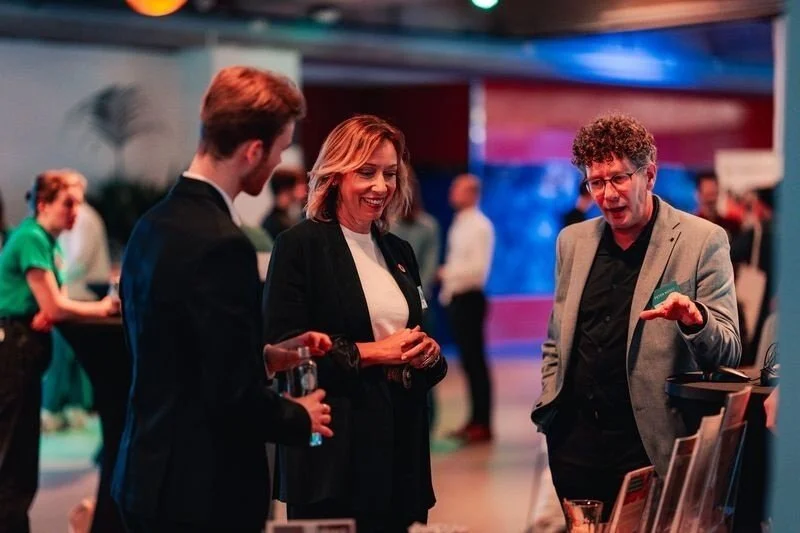
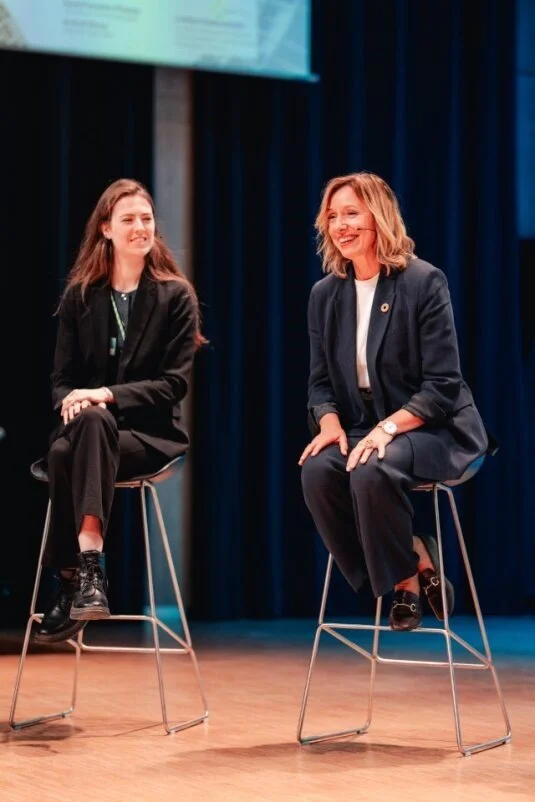
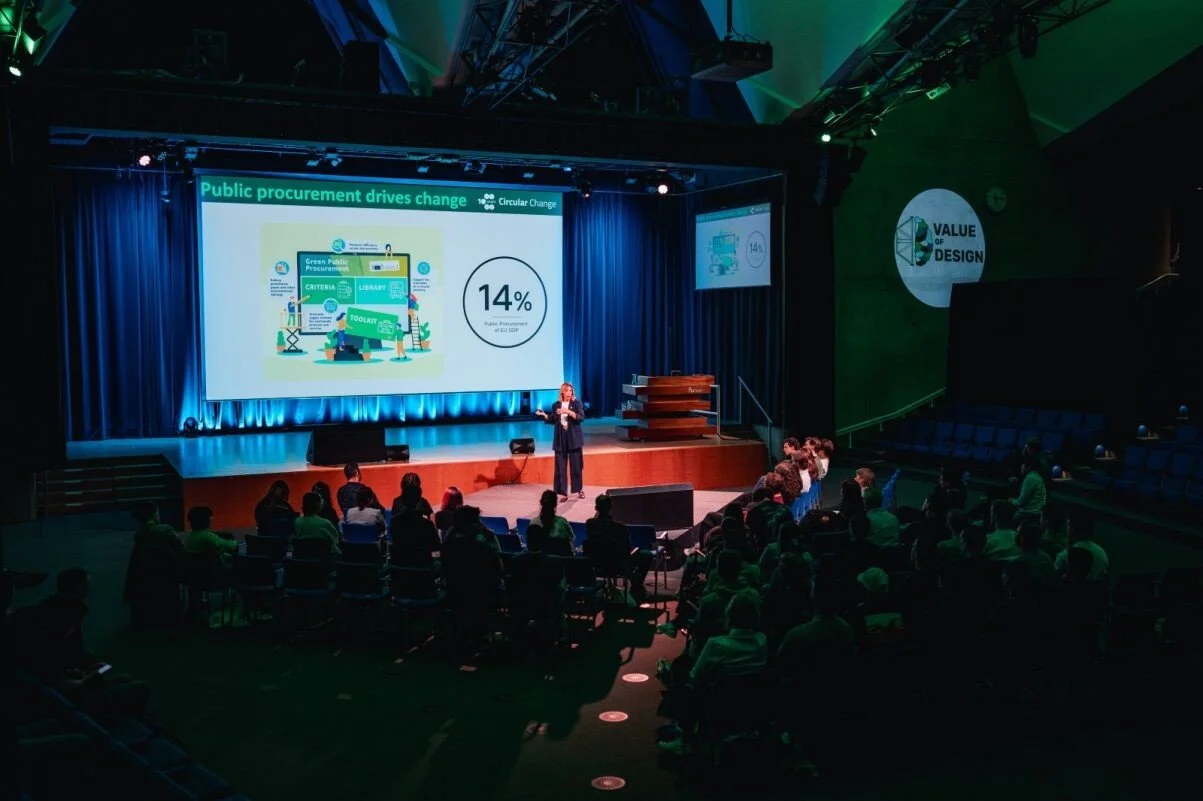
In her contribution on Circularity in Design and Construction, Ladeja reflected on how circular ambitions can move beyond vision into implementation by aligning value chains, stakeholders and decision-making frameworks. The symposium highlighted a growing shift in the construction sector: materials are increasingly understood not as endpoints, but as part of continuous cycles of value creation. Discussions and workshops brought together young professionals, researchers, public institutions and companies presenting concrete circular solutions for infrastructure and the built environment.
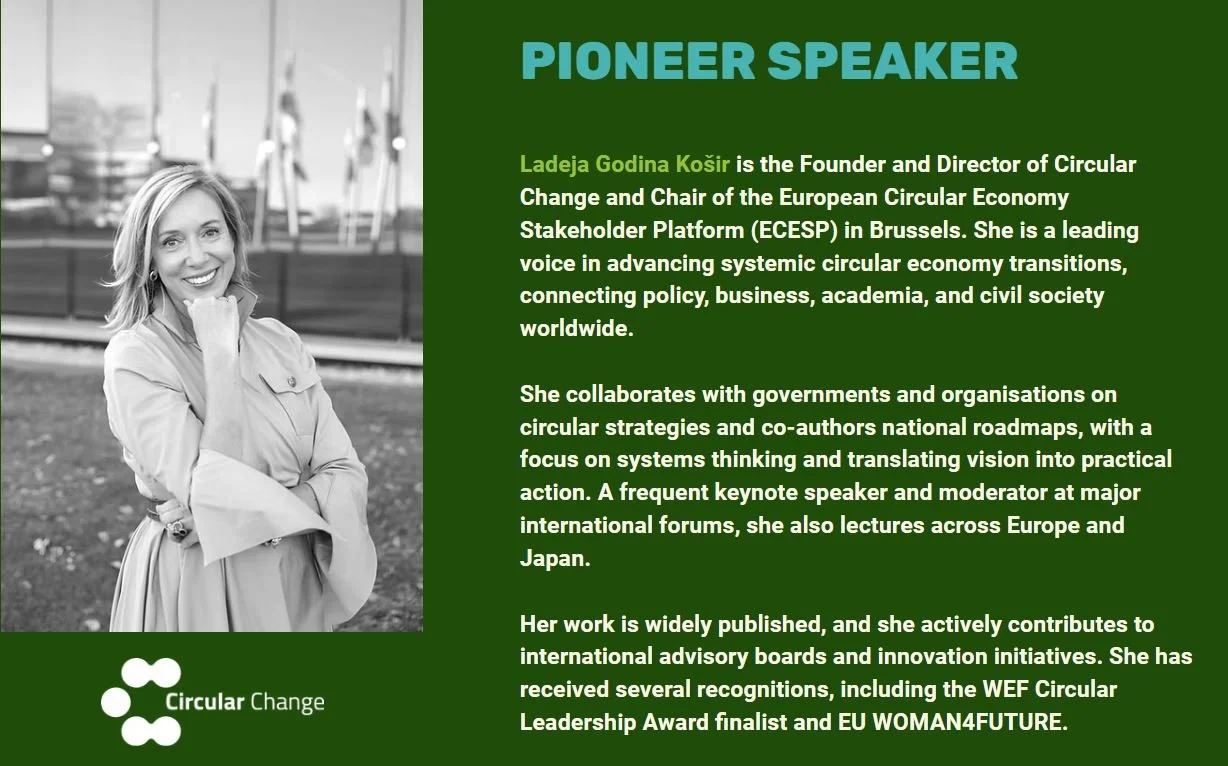
Reflecting after the event, Ladeja highlighted the extraordinary knowledge, mindset and values shared by the younger generation participating in the symposium, alongside inspiring examples from companies and public institutions already advancing circular solutions in practice. She particularly emphasised the importance of new forms of collaboration and the growing need for “transition brokers” — people capable of connecting sectors, ideas and stakeholders into functioning circular value networks.
The Delft gathering also continued the energy and momentum of the recent ECESP Annual Conference in Brussels, reinforcing the growing role of young people in shaping Europe’s circular future.
The atmosphere in Delft also strongly resonated with one of the reflections from Circular Change’s 10-year journey: IMAGINE — the idea that circular transition requires not only technical solutions, but also imagination, creativity and the courage to rethink relationships between systems, materials and people.