10 Years of Circular Change
10 years is both a short and a long time. Over this decade, we have created a story we are truly proud of. Take a closer look at our journey on this page, we have also prepared a brochure for you. Along the way, we have built not just projects, but a strong international community and a shared direction.
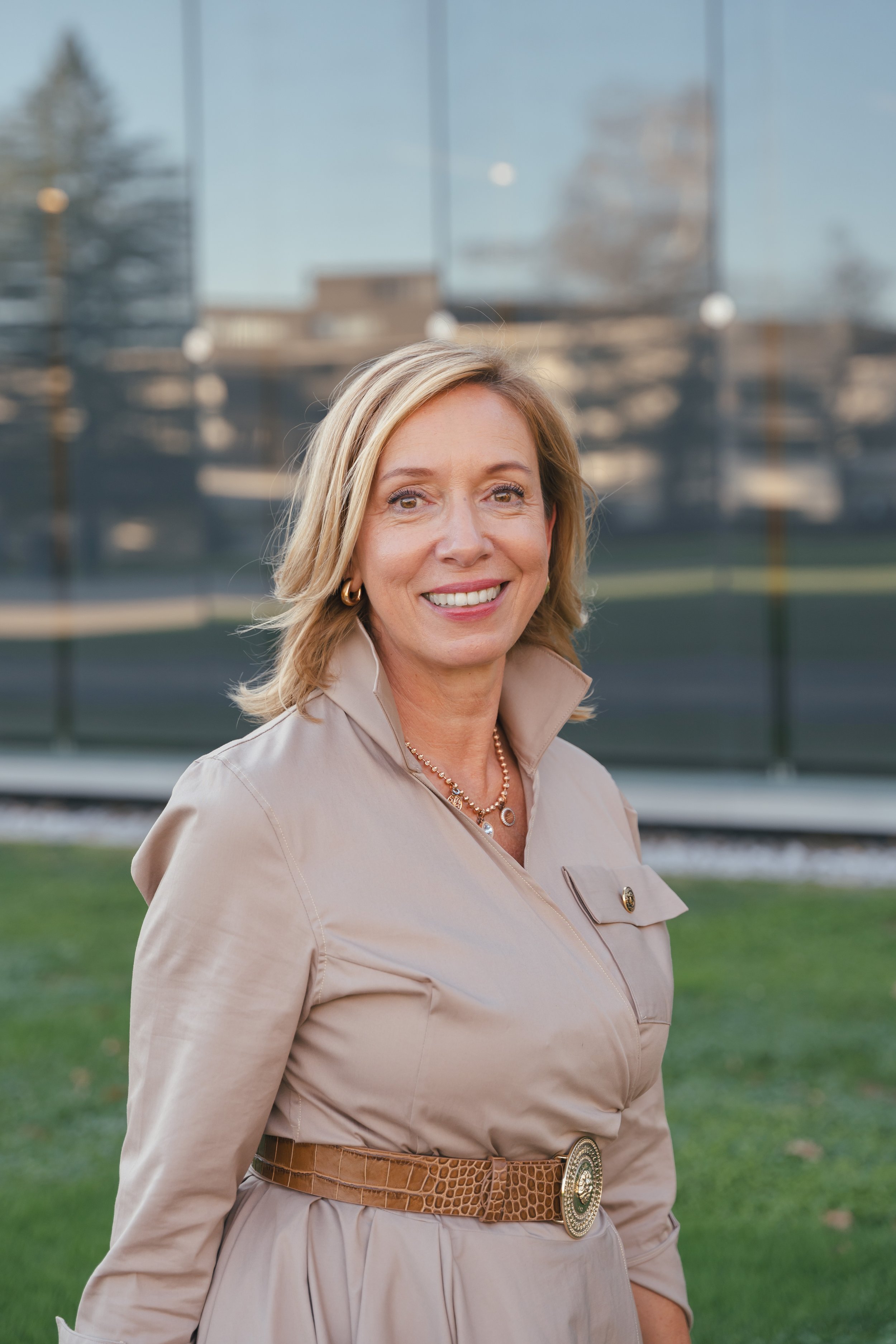
»We didn’t start with a master plan. We started with a feeling.
In 2016, I drew a simple star — a vision of what Circular Change could become: a space connecting policy, business, creativity and people across borders, shaped by shared values, purpose and a way of working rooted in trust, collaboration and real impact.
Looking back, this was not strategy. It was sensing the direction of change.
Encounters with pioneers such as Guido Braam in the Netherlands helped shape this early direction, offering both inspiration and a sense of possibility. At the time, circular economy was largely associated with waste and recycling, but the 2015 EU Circular Economy Action Plan opened a much bigger space. It was a systemic shift and a new way of thinking about value.
It felt like stepping into something not yet fully formed. But the direction was clear.«
Ladeja Godina Košir, Founder & Executive Director of Circular Change / Co-Chair of ECESP
Sensing the Zeitgeist: 10 Signals of the Circular Transition
2016–2026 Circular Change Journey & Impact
Take a closer look at our journey in the brochure. Click on the image or download it using the button.

Embracing the circular economy
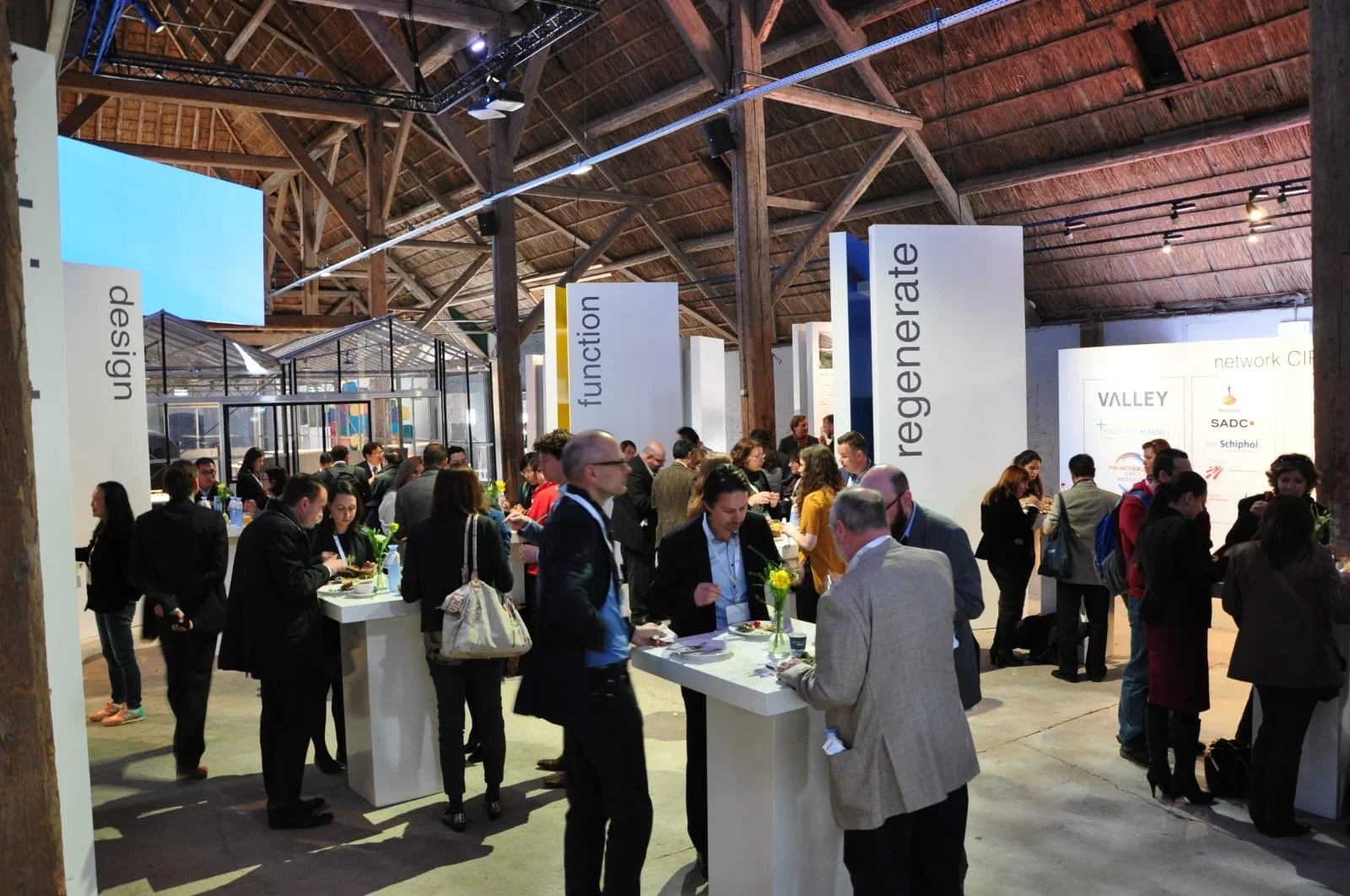
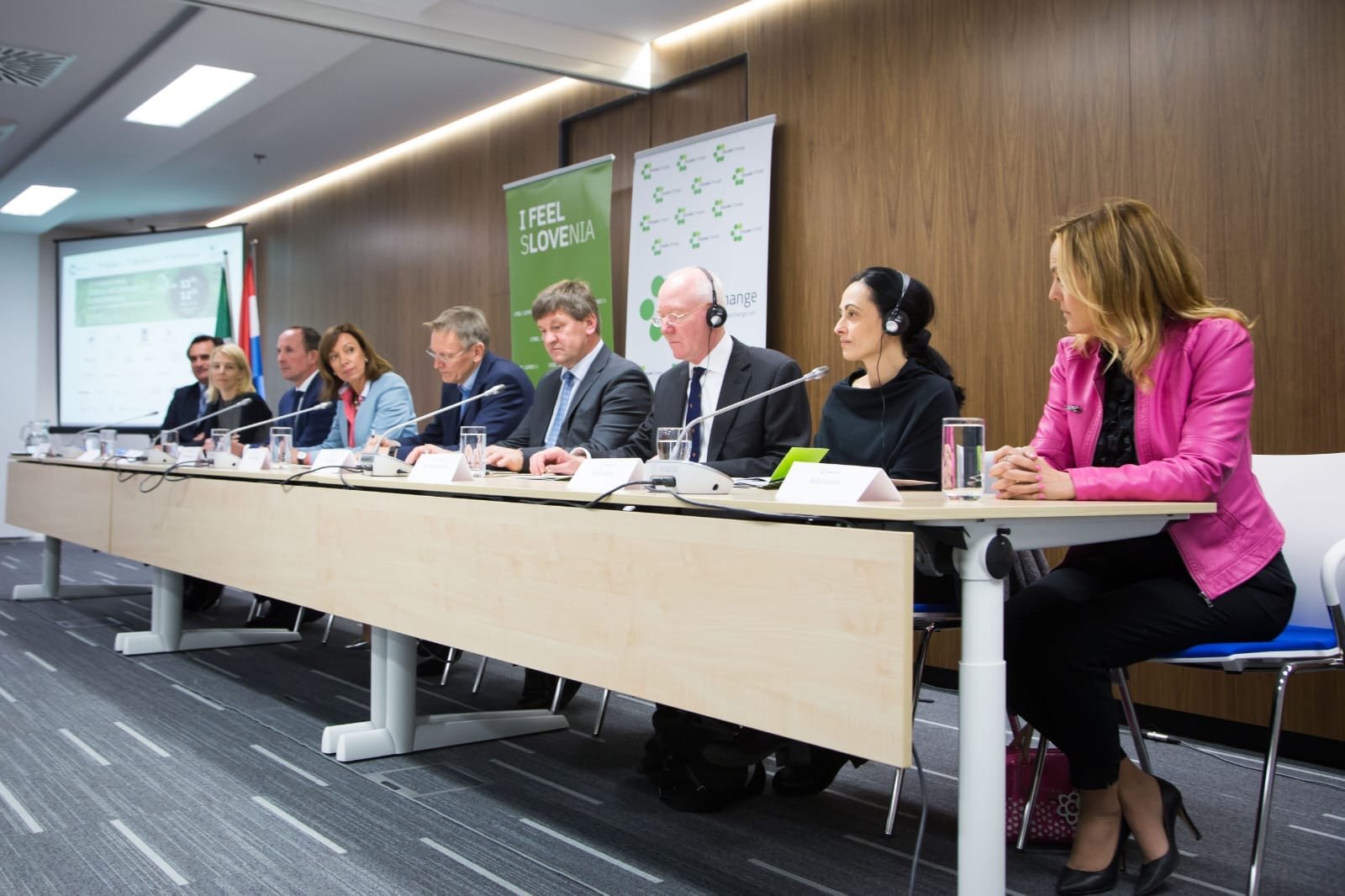
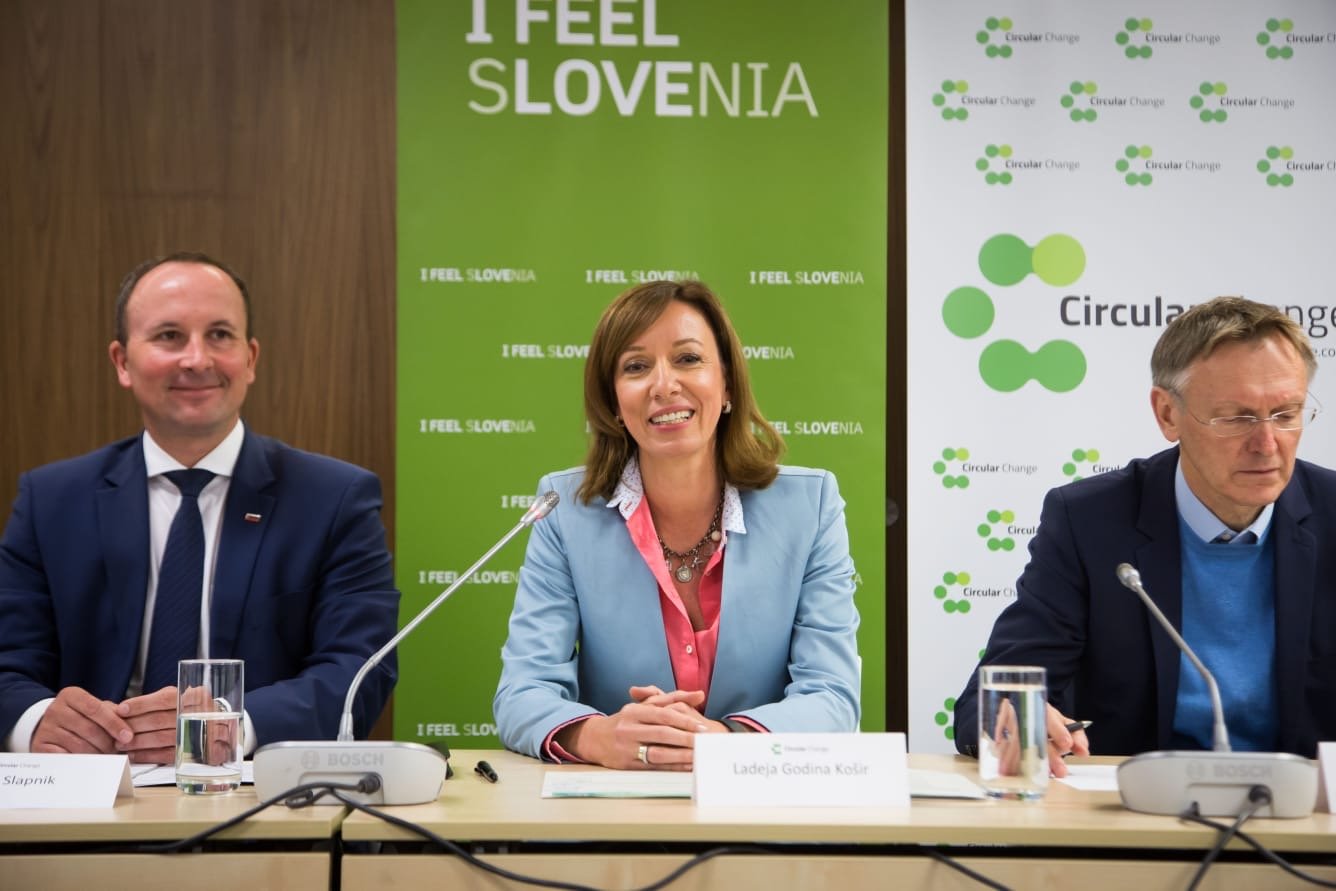
The first Circular Change conference was among the early international platforms dedicated to circular economy, at a time when the concept was only starting to gain traction in Europe. It brought together policymakers, businesses, researchers and innovators to explore how circular principles could move from vision to implementation, with keynote contributions including Janez Potočnik, former European Commissioner for the Environment.
From the outset, the focus was on co-creation and systemic change, positioning Slovenia as a proactive player within a rapidly emerging global movement, in dialogue with leading actors such as the Ellen MacArthur Foundation.
Walking the talk: enabling circular transformation
The second Circular Change conference framed Slovenia as a playground for circular economy transition, bringing together diverse actors to test new approaches in practice. A defining moment was the dialogue between Miro Cerar, Prime Minister of Slovenia (2014–2018), and a representative of the World Economic Forum, linking national ambition with global momentum.
Beyond the conference, Circular Change began to gain international visibility through early global engagements and speaking contributions, marking a shift from convening to active participation in shaping the emerging agenda.
Unfolding circular economy roadmaps
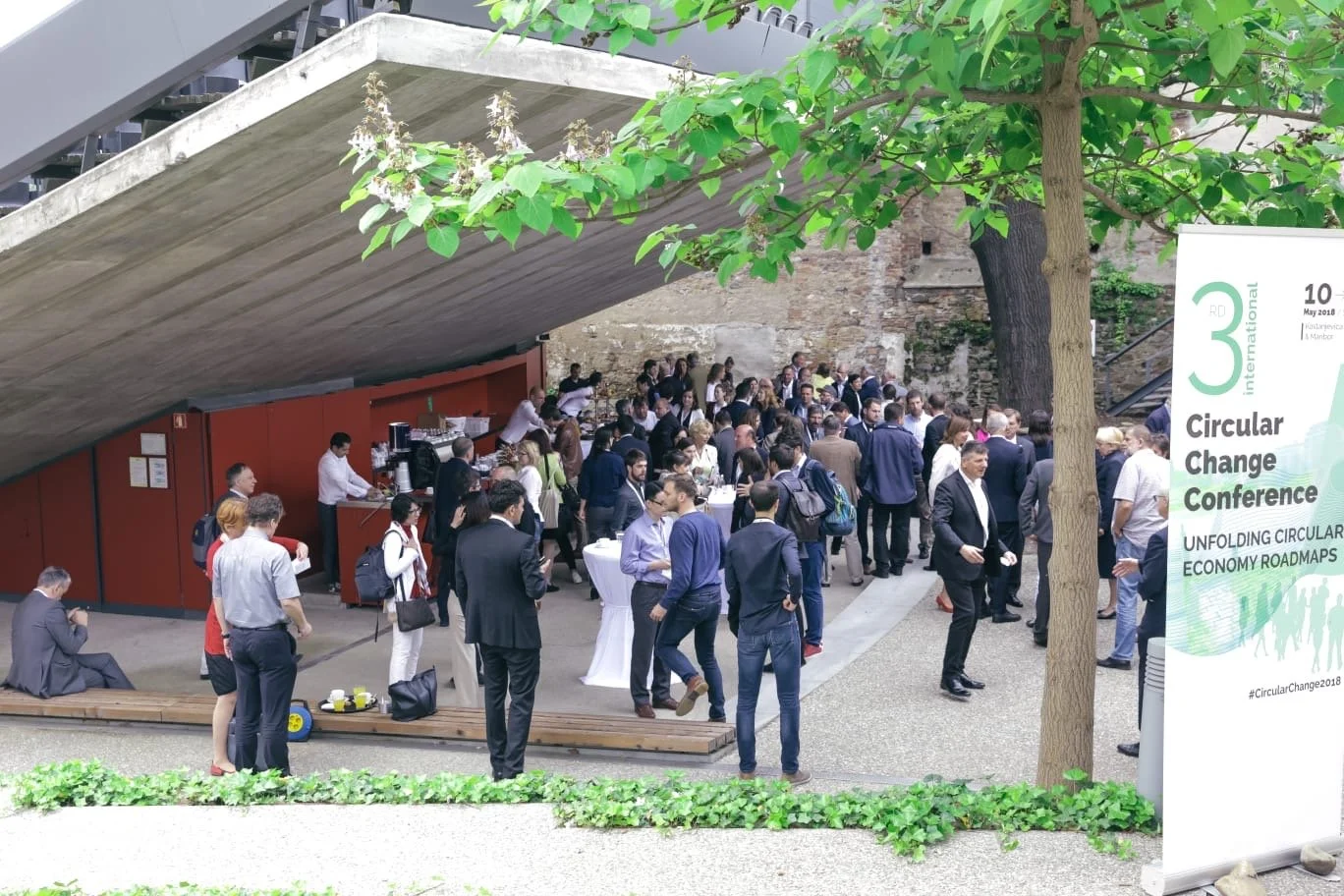
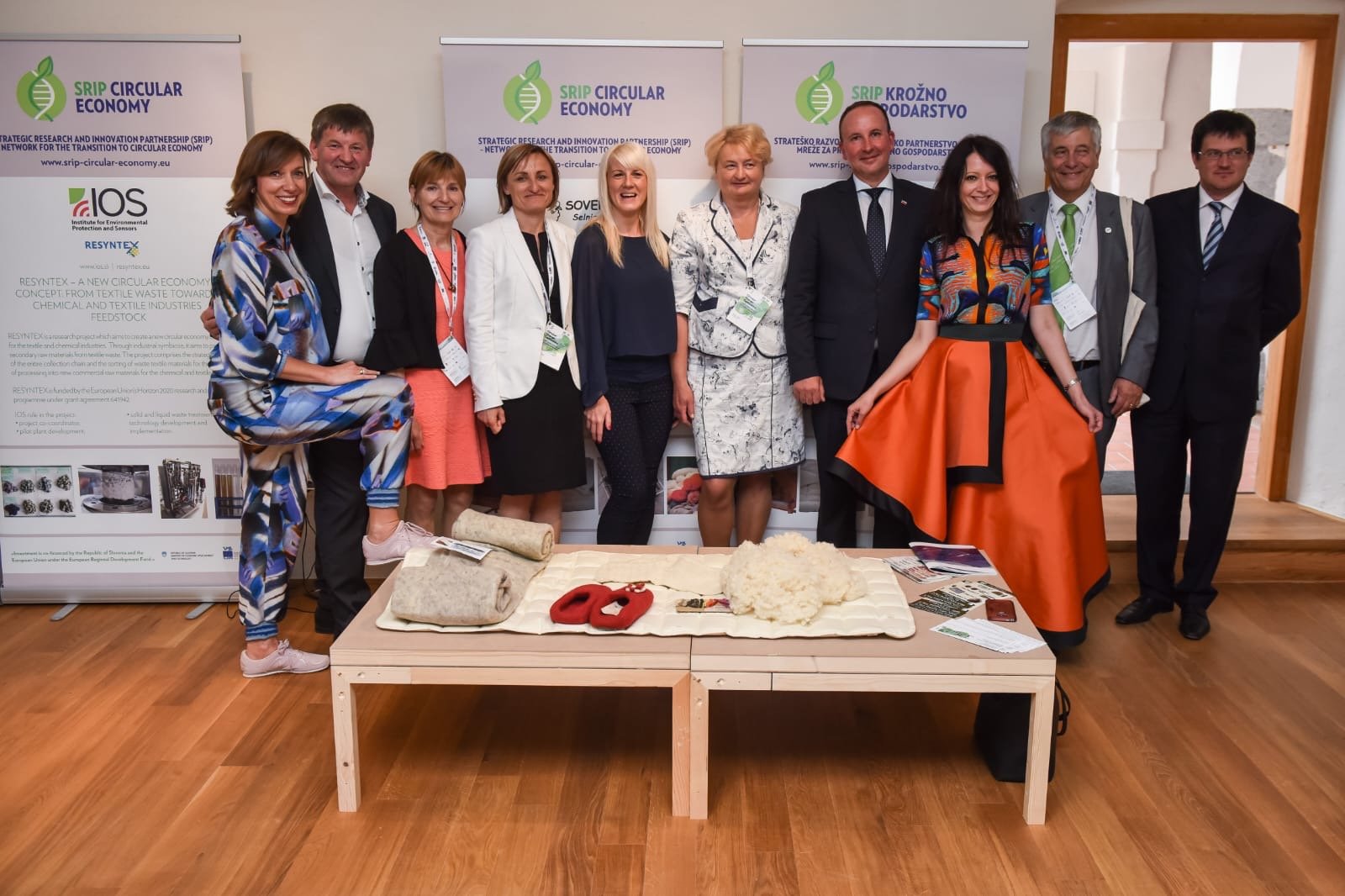
Circular Change co-created one of the first national circular economy roadmaps in Europe, laying the foundation for similar processes internationally. The topic took centre stage at the conference, which also expanded the narrative by linking circular economy with design and culture, including a circular fashion show by Matea Benedetti.
At the same time, the organisation assumed a European leadership role by chairing the European Circular Economy Stakeholder Platform (ECESP) and gained global recognition with a Circular Leadership Award nomination at the World Economic Forum in Davos. International collaborations and industry projects further extended its reach.

On the ground – everyday challenges of circular companies
The 4th Circular Change conference marked a decisive shift towards implementation, addressing real-world challenges across supply chains, finance and markets. It also connected Slovenia with Europe’s leading climate innovation community through Climate-KIC.
This momentum translated into concrete action: developing circular economy roadmaps for the City of Ljubljana, for Serbia, and further extending this work across the Western Balkans, expanding collaboration with international partners, and deepening global engagement through academia, including Doshisha University in Kyoto, Japan. At the European level, Circular Change connected circular economy with creative industries through the Creative & Circular initiative, contributing to the emergence of the New European Bauhaus.
Mainstreaming the circular economy mindset
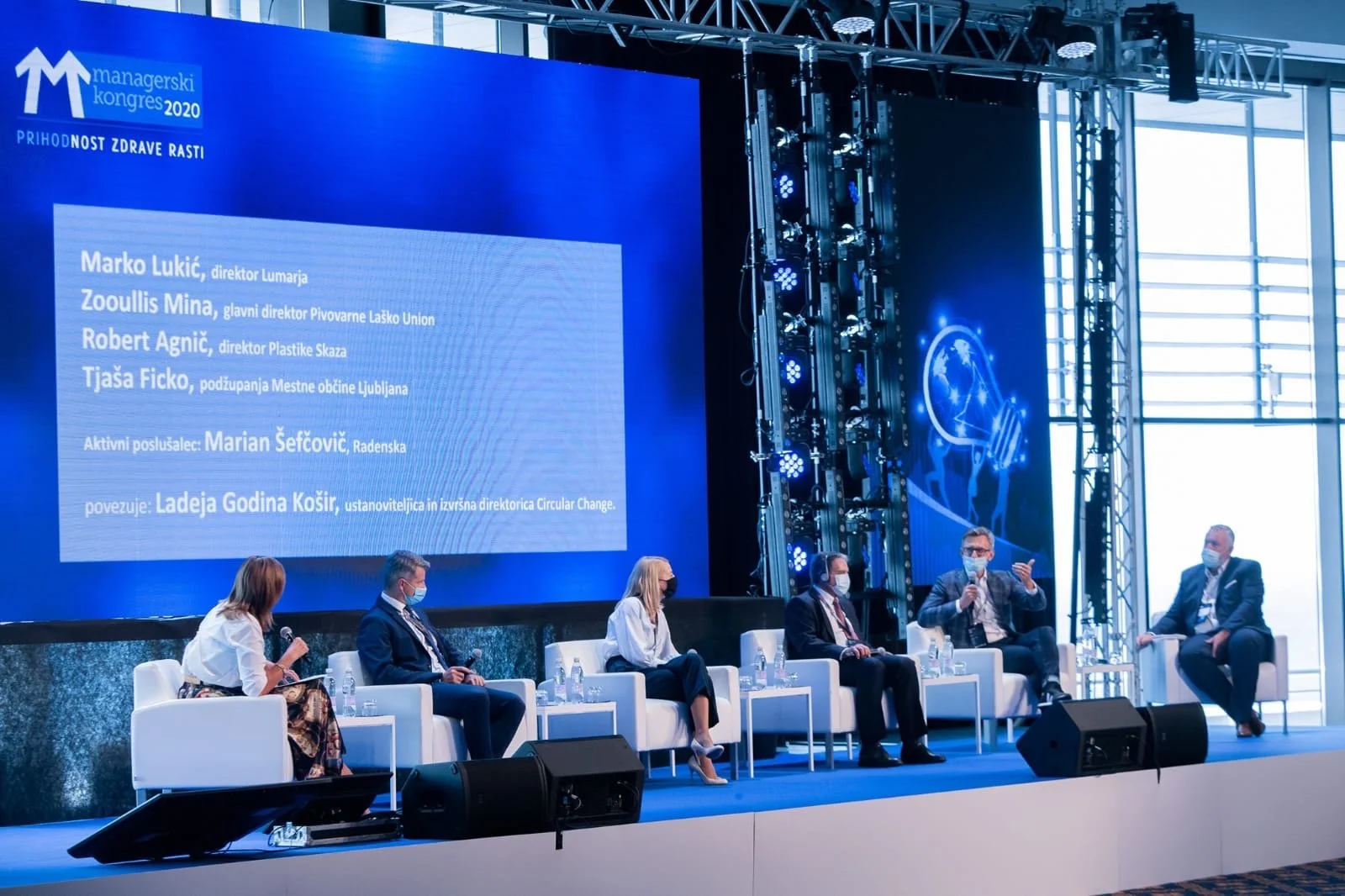
When COVID-19 brought the world to a standstill, Circular Change moved its conference online, co-creating a distributed European edition with five partner organizations. This maintained dialogue and collaboration across borders in a time of disruption.
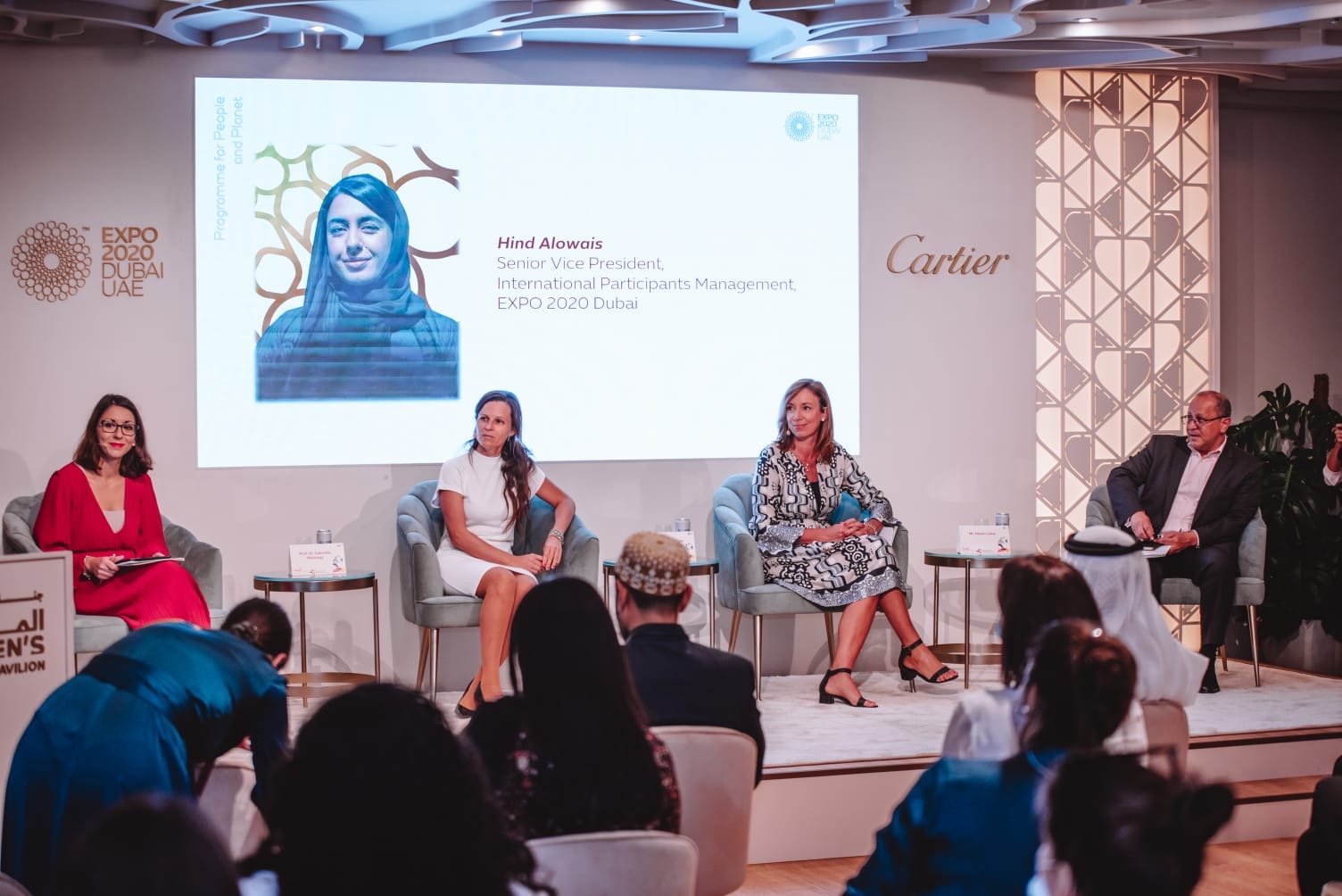
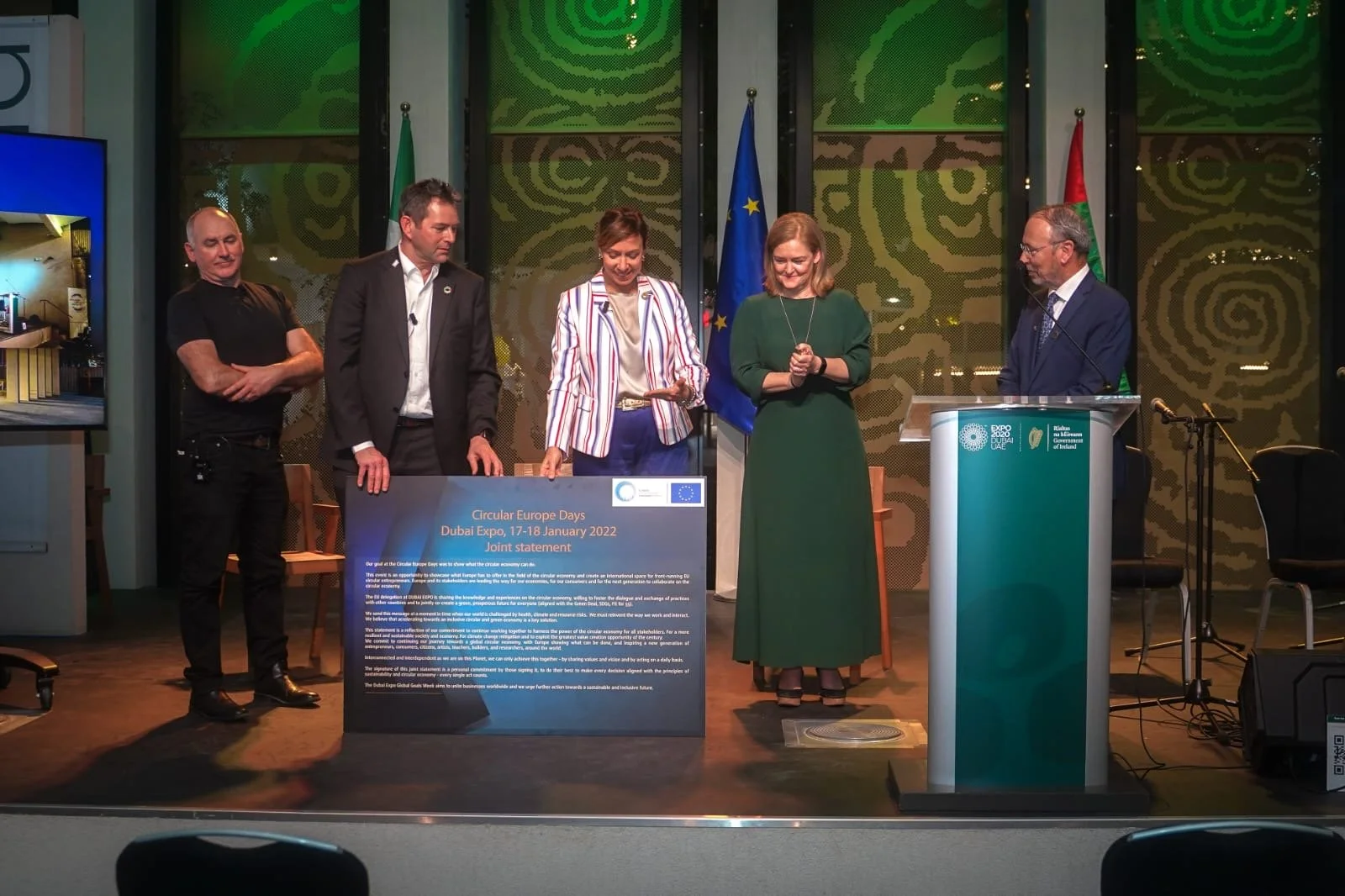
Behind the scenes, the work accelerated. Circular Change contributed to national circular economy roadmaps in Serbia and Chile, led the BIOEAST foresight exercise across 11 countries, and engaged in international policy processes, including with the World Economic Forum’s Platform for Accelerating the Circular Economy (PACE). Global visibility remained strong, including participation as a speaker at EXPO 2020 Dubai.
Unlocking circular creativity
Circular Change contributed to the Slovenian Presidency of the Council of the EU with a keynote Sensing Circular Economy, inviting a shift from understanding to experiencing circularity — through intuition, relationships and lived practice.
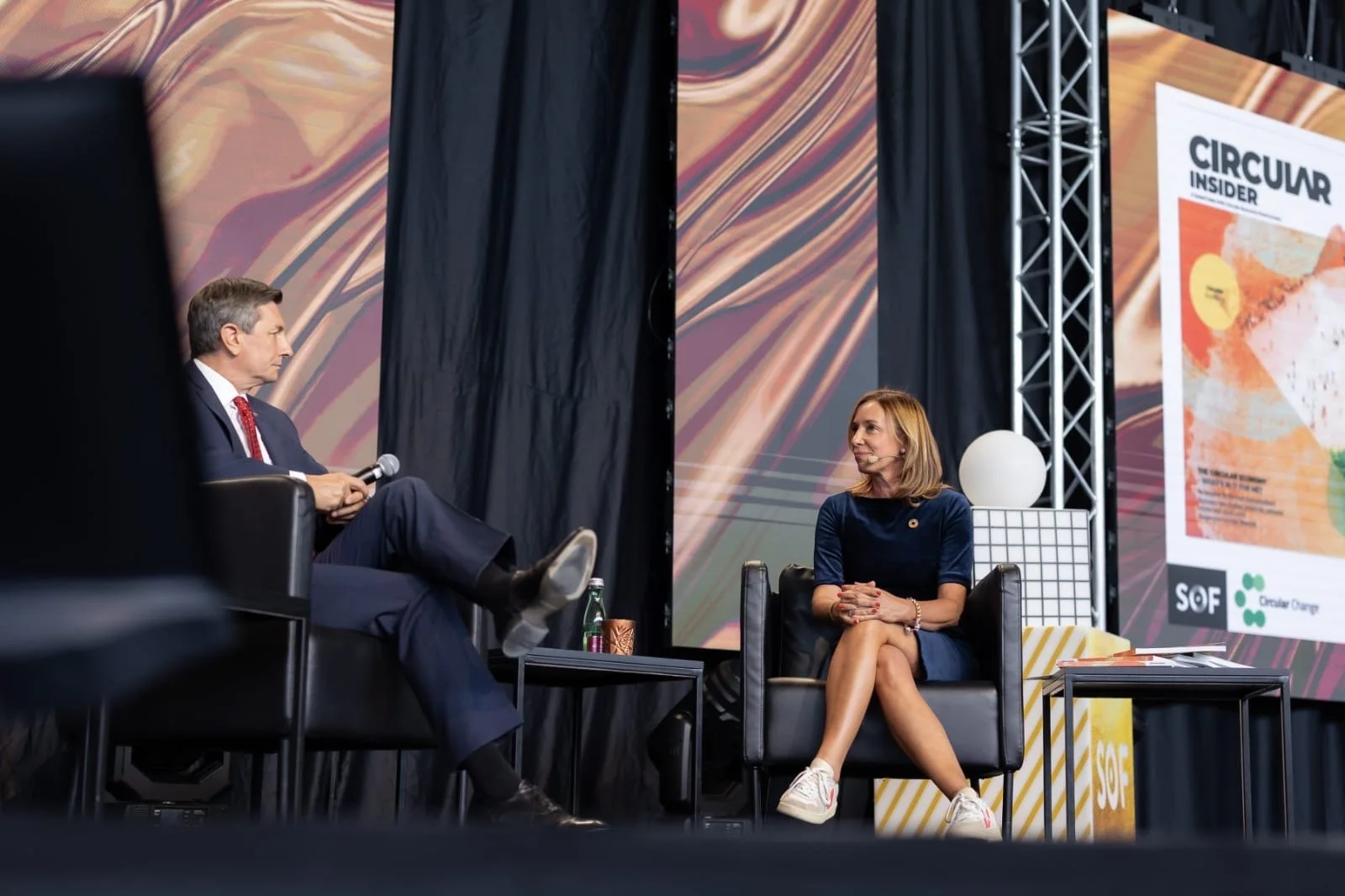
This perspective was further developed through the publication Circular Insider, featuring circular changemakers and new narratives for the transition. At the same time, Circular Change expanded its international engagement and partnerships, from Nordic collaborations to global platforms such as COP26, as well as contributions to international dialogues, innovation platforms and emerging collaborations across Europe.
Connecting circular networks and hubs
Circular Change evolved into a key orchestrator of circular economy collaboration, advancing the concept of a network of networks through its leadership within the European Circular Economy Stakeholder Platform and initiatives such as EU Circular Talks.
Its influence extended globally, contributing to the Global Circular Economy Roadmap initiative with Chatham House and global partners, engaging with organisations such as WIPO, and collaborating in European innovation ecosystems. In parallel, the organisation continued to deliver, supporting circular economy strategies in Montenegro and Kosovo in collaboration with UNDP and Deloitte.
Living the circular lifestyle
Circular economy moved into everyday life. Through Horizon Europe flagship project PSLifestyle, Circular Change engaged citizens across Europe in exploring more sustainable choices, while Boost4BioEast supported the bioeconomy transition.
This translated into action across diverse contexts — through a keynote at Iceland’s national food systems conference, the development of Ljubljana’s smart and sustainable tourism roadmap, the launch of the international educational programme Ecotopia, and contributions to regional collaboration through Austria Connect Southeast Europe.
Empowering circular transition brokers
From experience emerged a new insight: transformation needs dedicated roles. Circular Change advanced the concept of transition brokers - actors who connect policy, business, finance and communities to enable systemic change, developed in collaboration with international experts such as Jacqueline Cramer.
This thinking was grounded in practice, from the World Circular Economy Forum in Brussels and the Brazilian Circular Hotspot to capacity building through the Zasavje Circular Economy Academy and exchange with Dutch partners.
Advancing circular diplomacy
Circular Change brought its work to a new level by advancing circular diplomacy. This positioned circular economy as a framework for international cooperation in a shifting geopolitical landscape.
This vision came to life through global engagement, from Expo 2025 Osaka and the World Circular Economy Forum in Brazil to Paris InfraWeek, connecting policy, investment and infrastructure. In parallel, regional programme Transformator supported the transformation of business models towards circularity and competitiveness across five countries.
Over the past decade, Circular Change has worked with governments, international organisations, businesses and communities across Europe and beyond. Building not only projects and partnerships, but a strong foundation of social capital.
In times shaped by geopolitical shifts, resource pressures and growing uncertainty, this capital, rooted in shared values, trust, transparency, professionalism and humanity, enables us to continue working together, co-creating the next phase of the transition.
Let’s make the world a playground, not a battlefield.