ECESP Annual Conference 2026 – From ambition to alignment
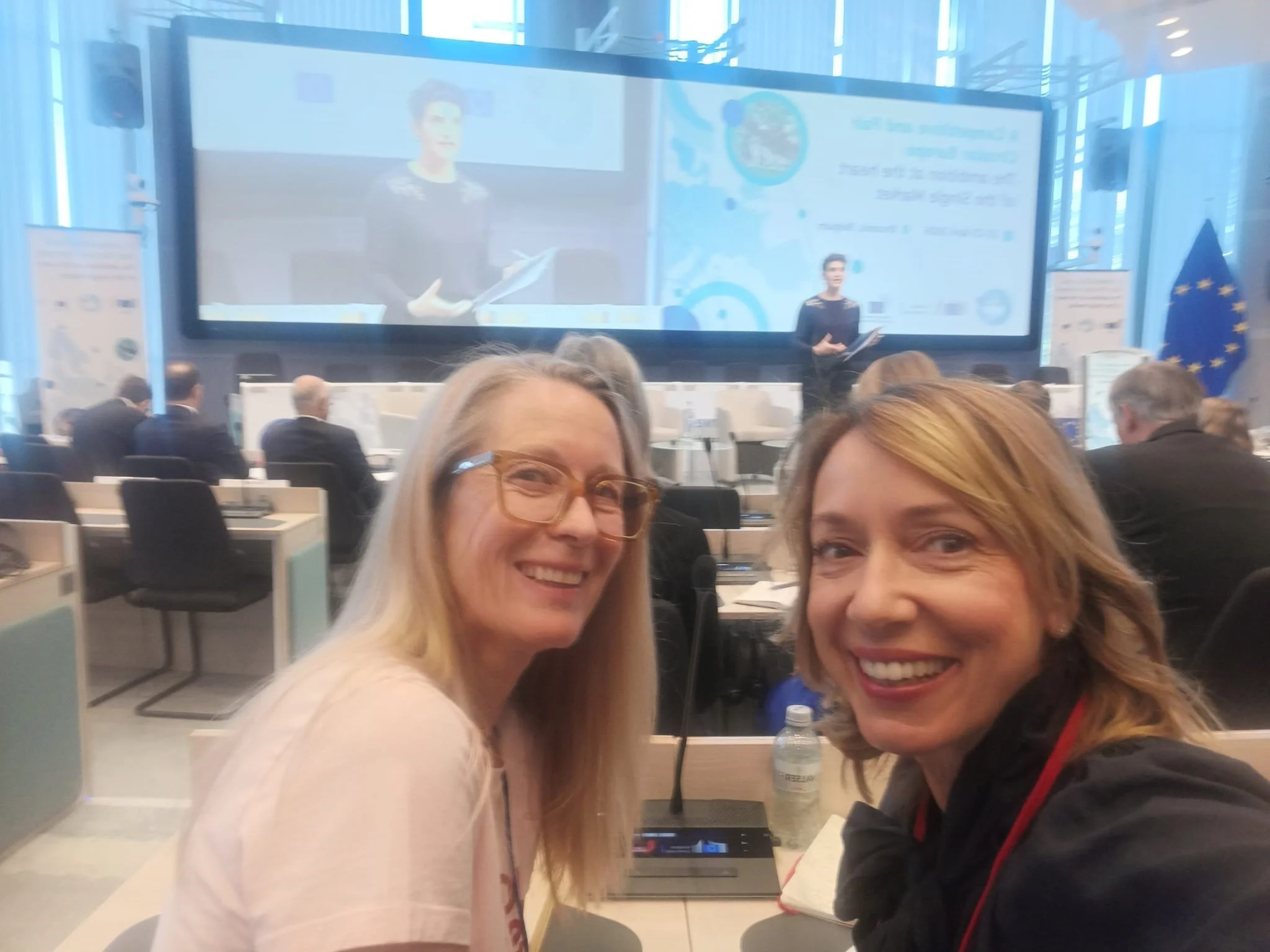
The ECESP Annual Conference 2026 in Brussels marked a clear turning point for Europe’s circular economy community: the focus is no longer on defining ambition, but on making circularity work in practice.
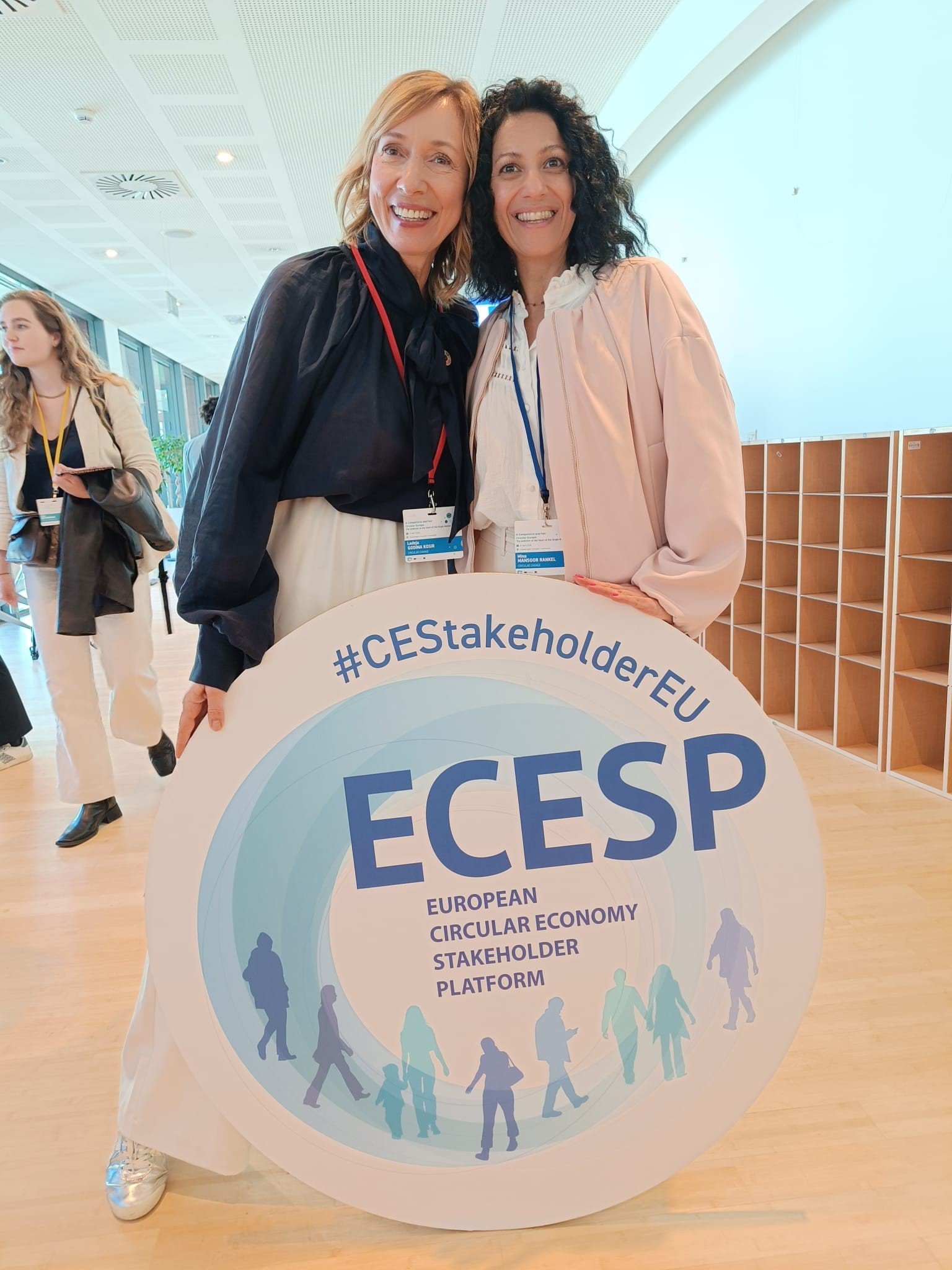
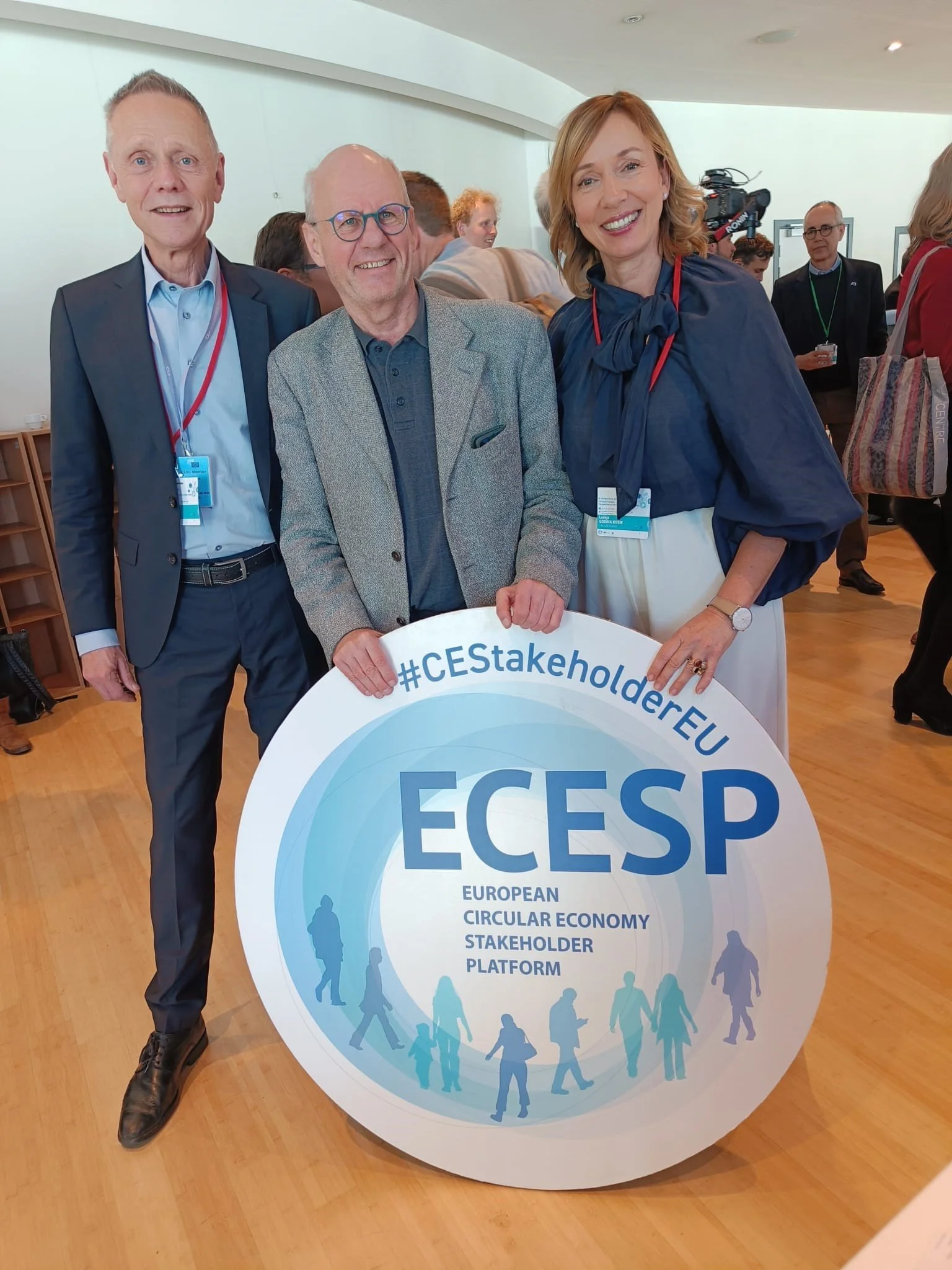
The conference was shaped by a strong, collaborative programme of the European Circular Economy Stakeholder Platform, chaired by @Ladeja Godina Košir, who also contributed across multiple sessions and discussions.
From ambition to implementation
Across two closely connected days, one message stood out: Europe does not lack ambition — it struggles with implementation. This gap is not primarily technological, but systemic. Policies, markets and incentives remain misaligned, often still rewarding linear models while calling for circular ones.
In this context, circular economy is no longer framed as a niche or purely environmental topic. It is increasingly understood as a matter of competitiveness, resilience and Europe’s role in a changing global landscape.
From projects to systems
Discussions around the upcoming Circular Economy Act reinforced a growing consensus: Europe does not lack solutions — it lacks conditions for scale. Fragmentation, weak demand signals and distorted price structures continue to slow down progress.
The shift ahead is clear: from isolated pilots to integrated value networks, from project-based thinking to system-level orchestration. This also includes recognising the importance of new roles — such as transition brokers — who connect policy, markets and stakeholders, and help translate ambition into execution.
Among the voices shaping the discussion
Among the contributors to the programme was Ladeja Godina Košir, in her role as Chair of European Circular Economy Stakeholder Platform. Her contributions echoed and reinforced several key themes of the conference: that circular economy is not a sector, but a way of organising value; that the real challenge lies in the “last mile” of implementation; and that stronger alignment between systems is essential for progress.
She also highlighted the importance of moving from consultation to co-creation, and the growing role of stakeholders as active co-implementers of change.
““History and cultures matter in accelerating circular economy. Understanding each other, ensuring sensitivity and dialogue — this is what the ECESP platform continuously nurtures.””
Circular economy as the new normal
A recurring insight across sessions was that circular economy must move beyond strategy documents and become embedded in everyday systems — from product design to market structures and daily consumption choices.
If implemented well, circularity should not feel like a premium or exception, but simply the normal way things work. This requires not only innovation, but a deeper alignment of incentives, behaviours and governance models.
To explore the full discussions, insights and next steps, conference recordings will be available here:
https://circulareconomy.europa.eu/platform/en/ecesp-annual-conference-2026-competitive-and-fair-circular-europe-ambition-heart-single-market