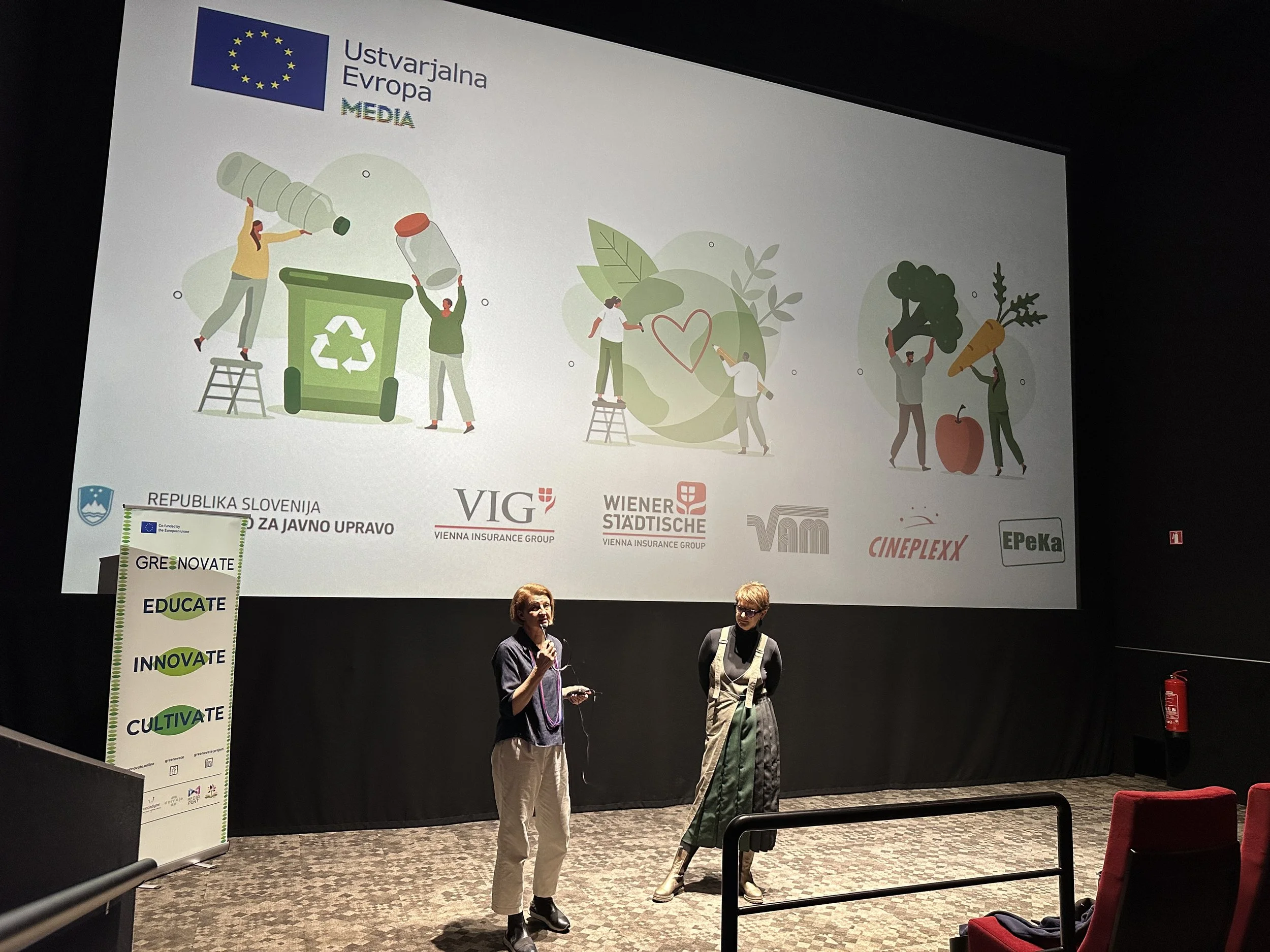
Green Growth Awareness Days: connecting youth, culture and circular transition
At Circular Change, we often speak about ecosystems — about how transformation requires different actors, roles and perspectives working in alignment. Equally important is something less visible: the people within our wider community are active across multiple professional arenas — always connected by a shared commitment to sustainability and circular thinking.
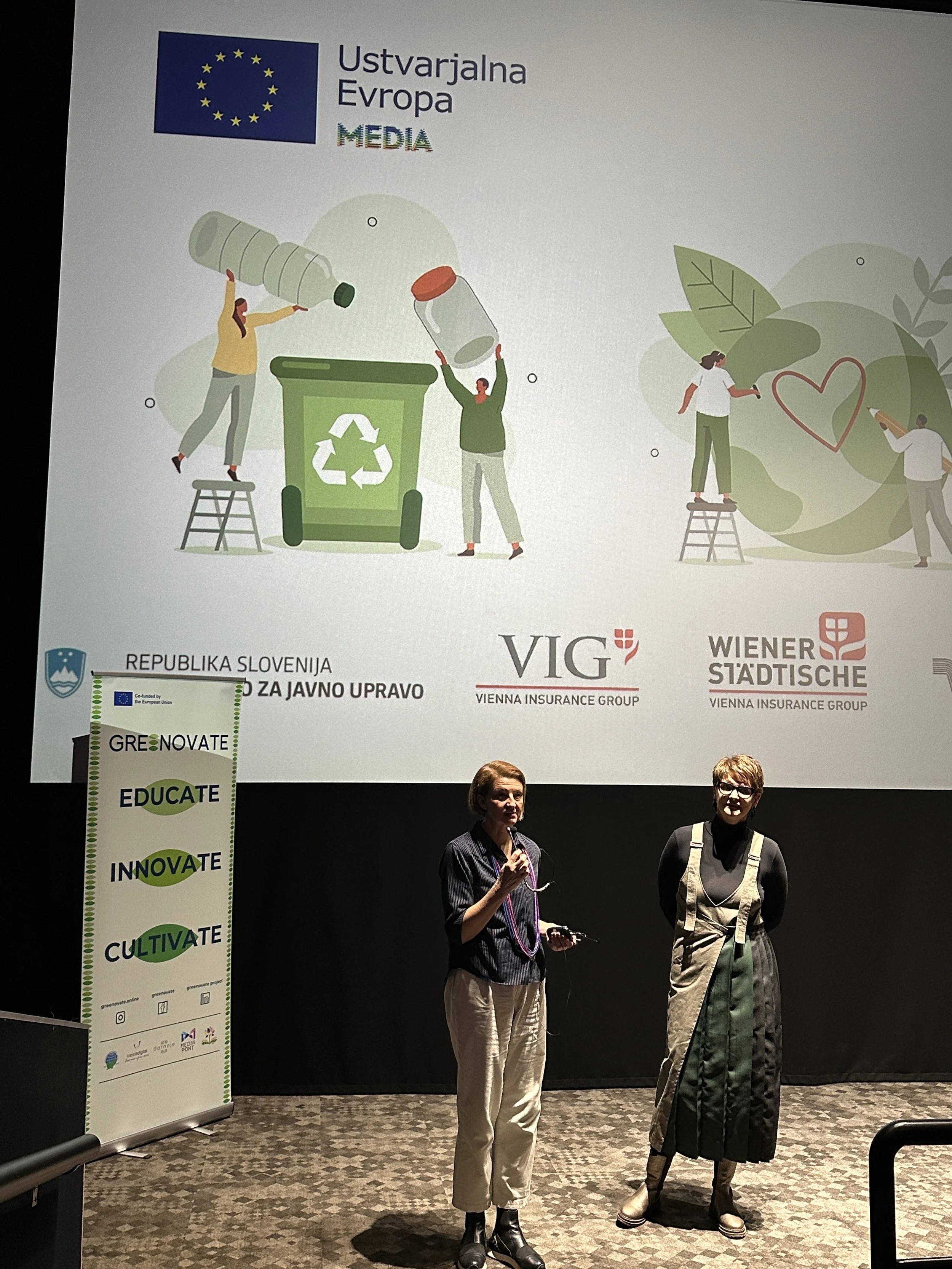
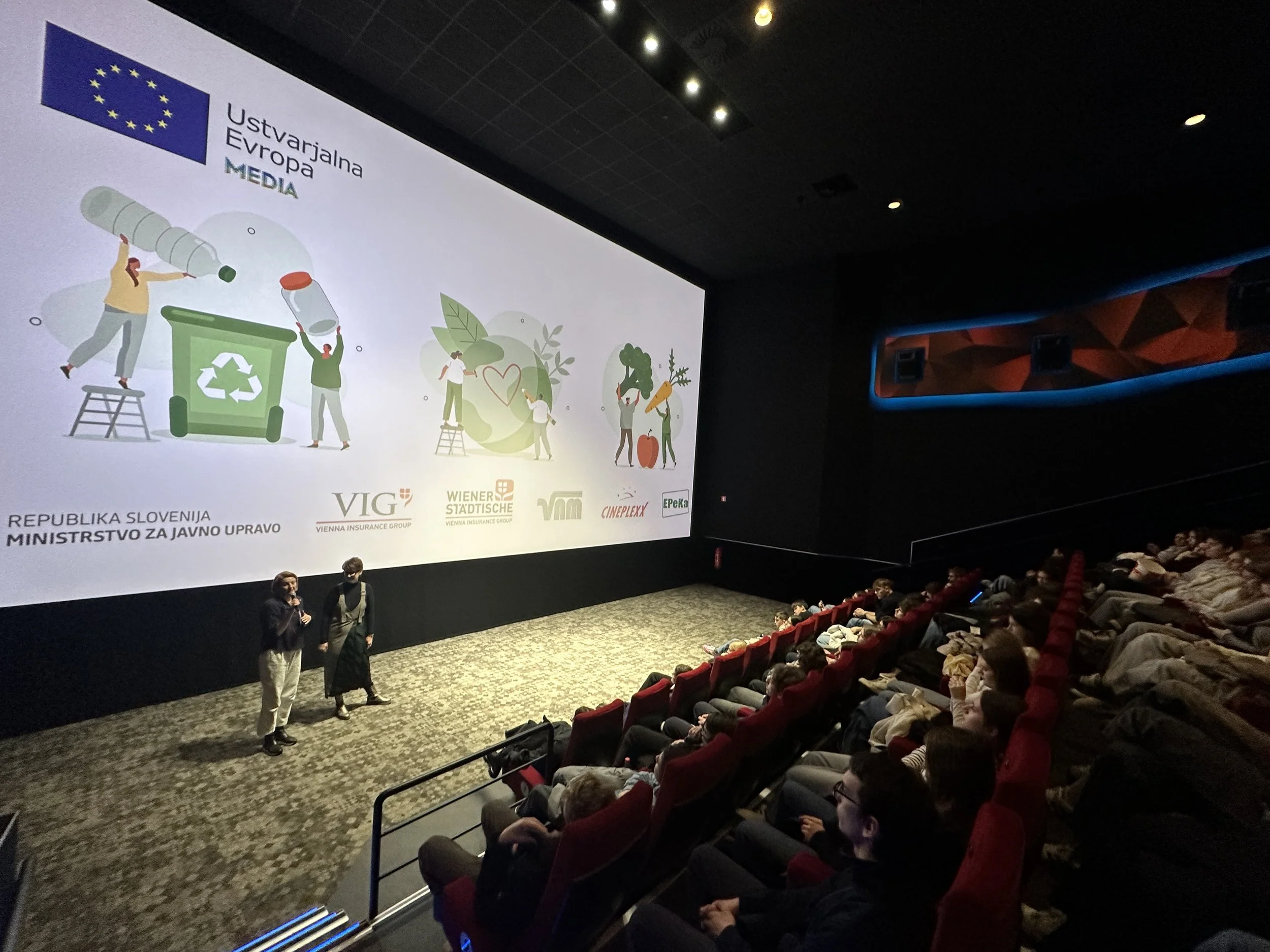
A recent example is the second edition of the Green Growth Awareness Days, held on 13 February in Ljubljana within the framework of the Greenovate 2.0 project.
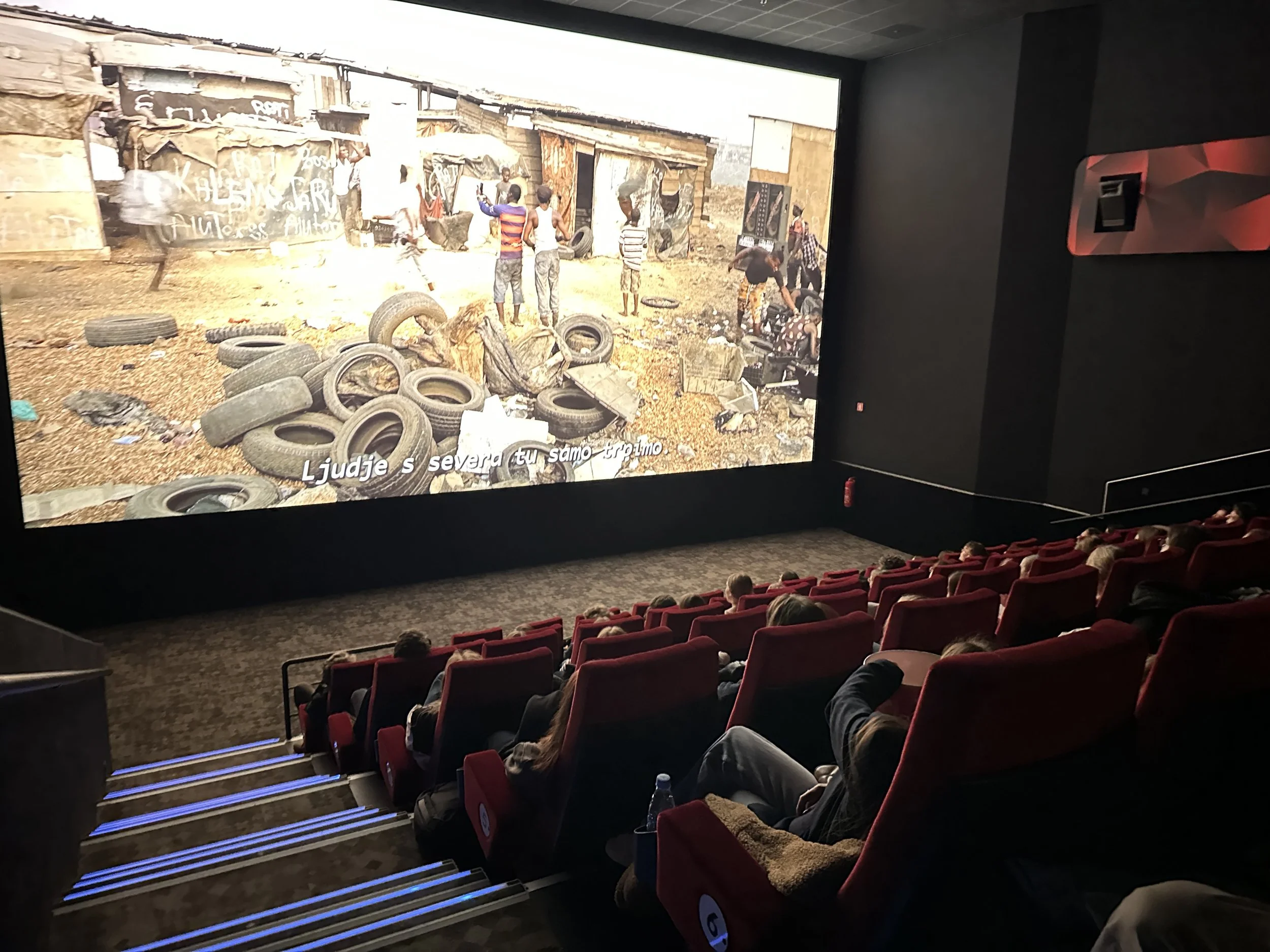
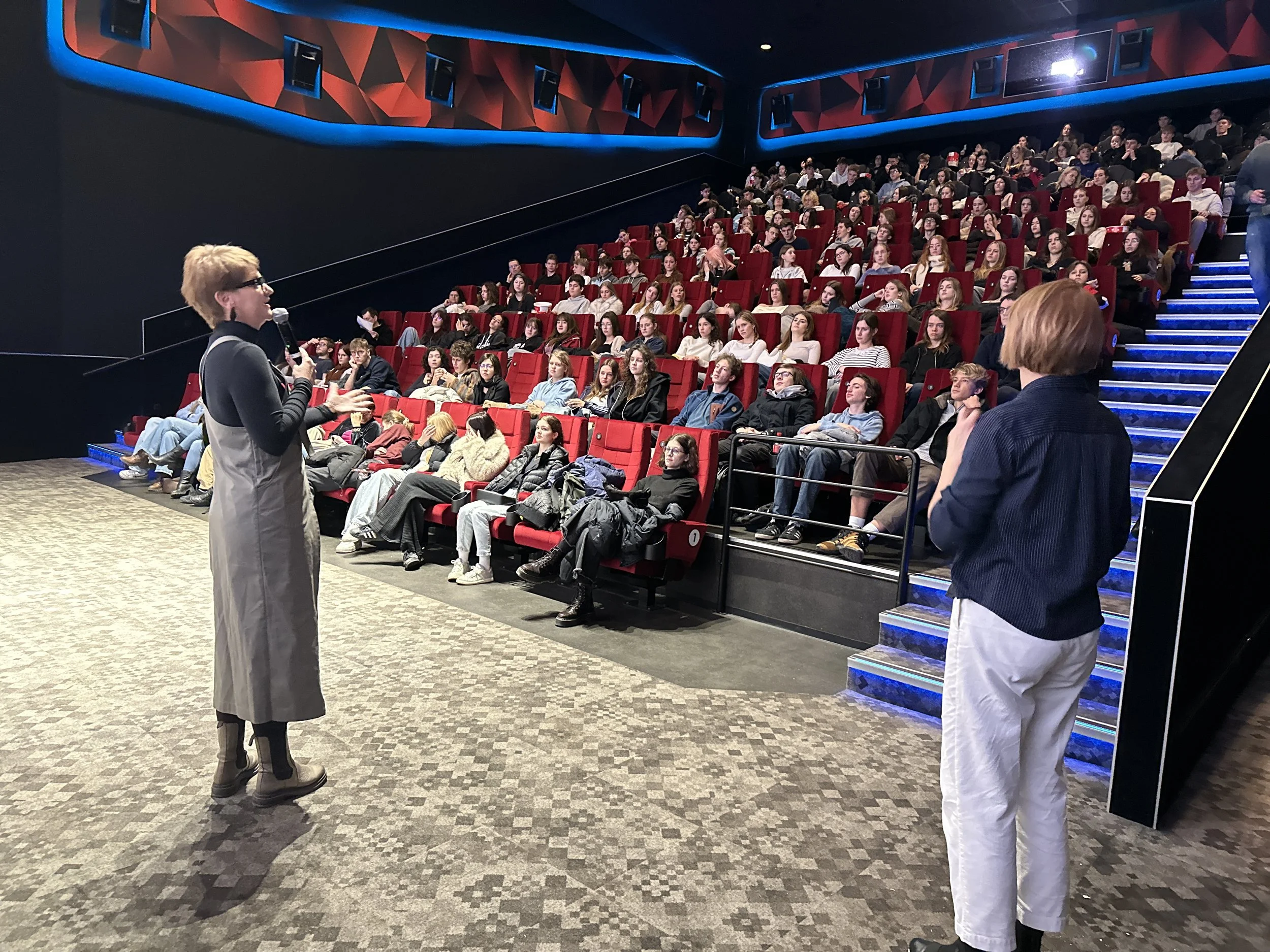
The event was organised by EPEKA and gathered 130 young participants. Through the screening of the film Sodoma and an open dialogue, participants explored how global environmental and social challenges are interconnected with local realities — and how individual choices influence broader systems.
Among the guest speakers was Lucija Marovt, contributing in her professional role beyond Circular Change, alongside Renata Zamida, Director of Center Rog. The exchange highlighted the responsibility young people carry — not only as future professionals working within sustainability frameworks, but as active co-creators of change today.
From reflection to responsibility
Two key messages resonated throughout the event:
Our everyday actions affect communities far beyond our immediate environment.
Youth engagement is not symbolic — it is structural for delivering the ambitions of the European Green Deal.
By connecting film, dialogue and sustainability priorities, the event demonstrated that circular transition is not only technical or regulatory. It is cultural, ethical and generational.
Why this matters for Circular Change
We see strength in bringing together people who are active in different systems — youth programmes, cultural institutions, EU platforms, regional ecosystems — and who consistently embed circular and sustainability principles in their work. This cross-arena engagement creates coherence. It strengthens the connective tissue between policy ambition, cultural awareness and practical implementation.
Systemic circular transformation does not grow from isolated projects. It grows through people who carry its values across multiple contexts — building bridges where others see boundaries.And this is precisely the kind of ecosystem we aim to nurture.