From pilots to power levers: Europe–Australia circular economy dialogue
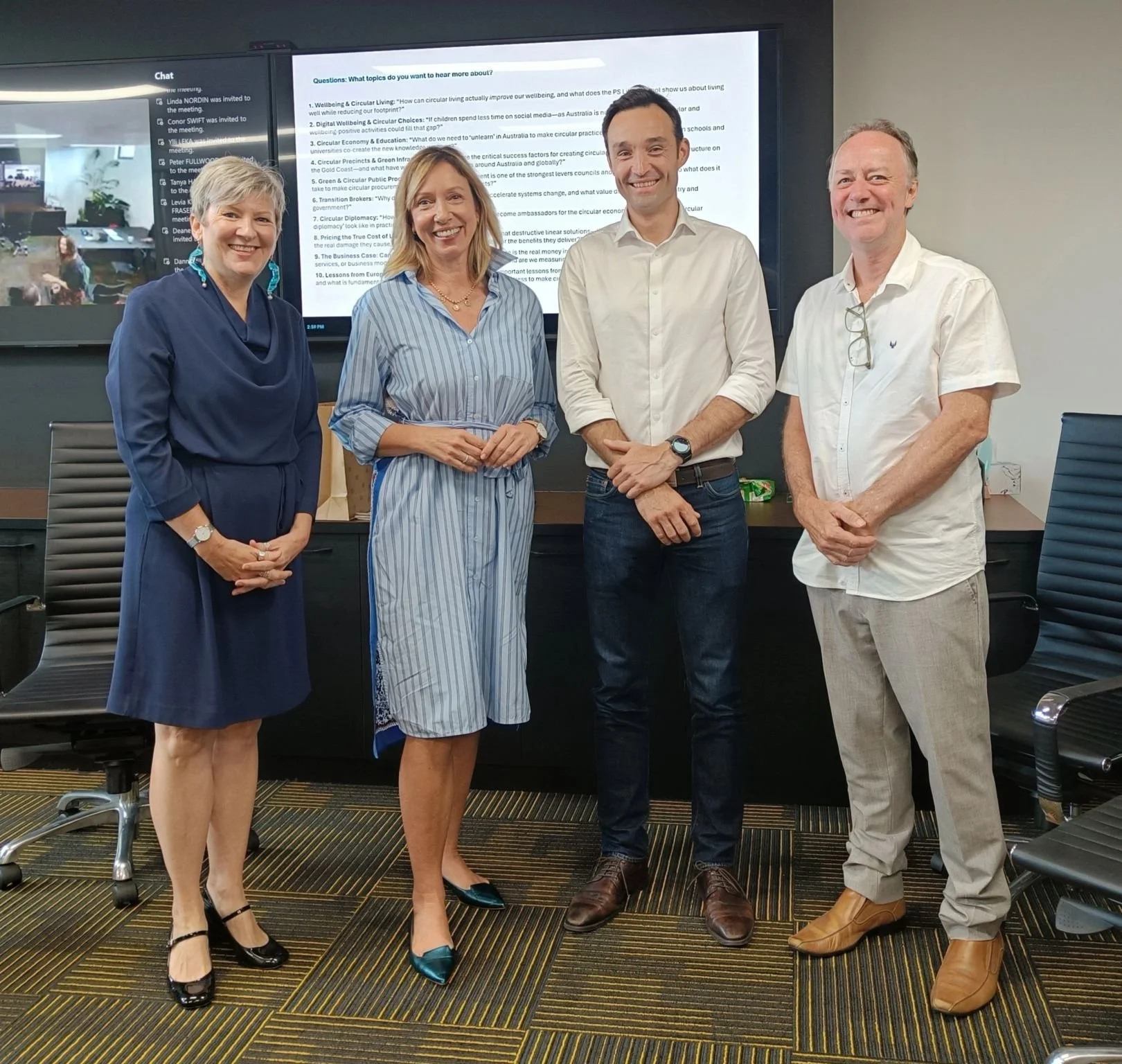
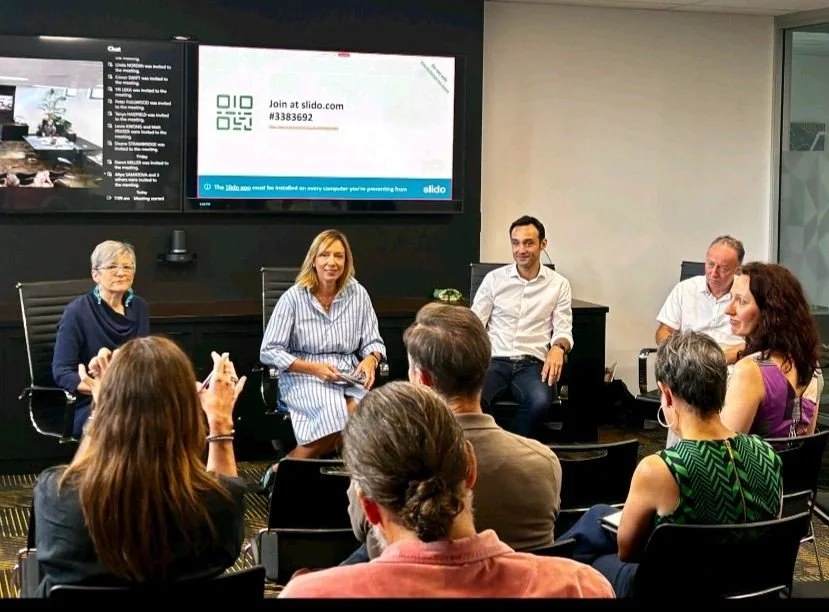
Ladeja Godina Košir was the keynote speaker at the Interactive Business Breakfast – Circular Economy Focus for 2026, hosted by the Circular Economy Club Gold Coast. The January event convened Australian business leaders, policymakers and circular economy practitioners to discuss where leadership, investment and policy can most effectively accelerate circular transitions in 2026 and beyond.
Shift from efficiency towards sufficiency
In her keynote, Godina Košir emphasised that circular economy must be understood as a systemic transformation rather than a set of isolated technical solutions. Moving beyond recycling requires a shift from efficiency towards sufficiency, guided by a holistic application of the 10R framework and embedded across value chains, governance structures and markets.
“Circular economy will not scale on goodwill alone. If we want real impact, we must move from pilots to the levers that actually shift systems”
Scaling as the critical bottleneck
While acknowledging Australia’s strong entrepreneurial capacity and growing circular momentum, the discussion highlighted scaling as the key challenge. End-of-life conditions, infrastructure readiness and market uptake ultimately determine whether circular solutions remain niche or become mainstream. Participants agreed that public-sector leadership – particularly through procurement, demand signals and shared metrics – is essential to unlock this next phase.
Designing for multiple impacts
Godina Košir also cautioned against single-issue optimisation. Carbon reduction alone, she noted, is insufficient if it leads to increased plastic pollution, toxicity or negative social impacts. Circular design must therefore be multi-criteria, integrating environmental, economic and social dimensions to avoid shifting problems from one system to another.
Strategic moments for Australia
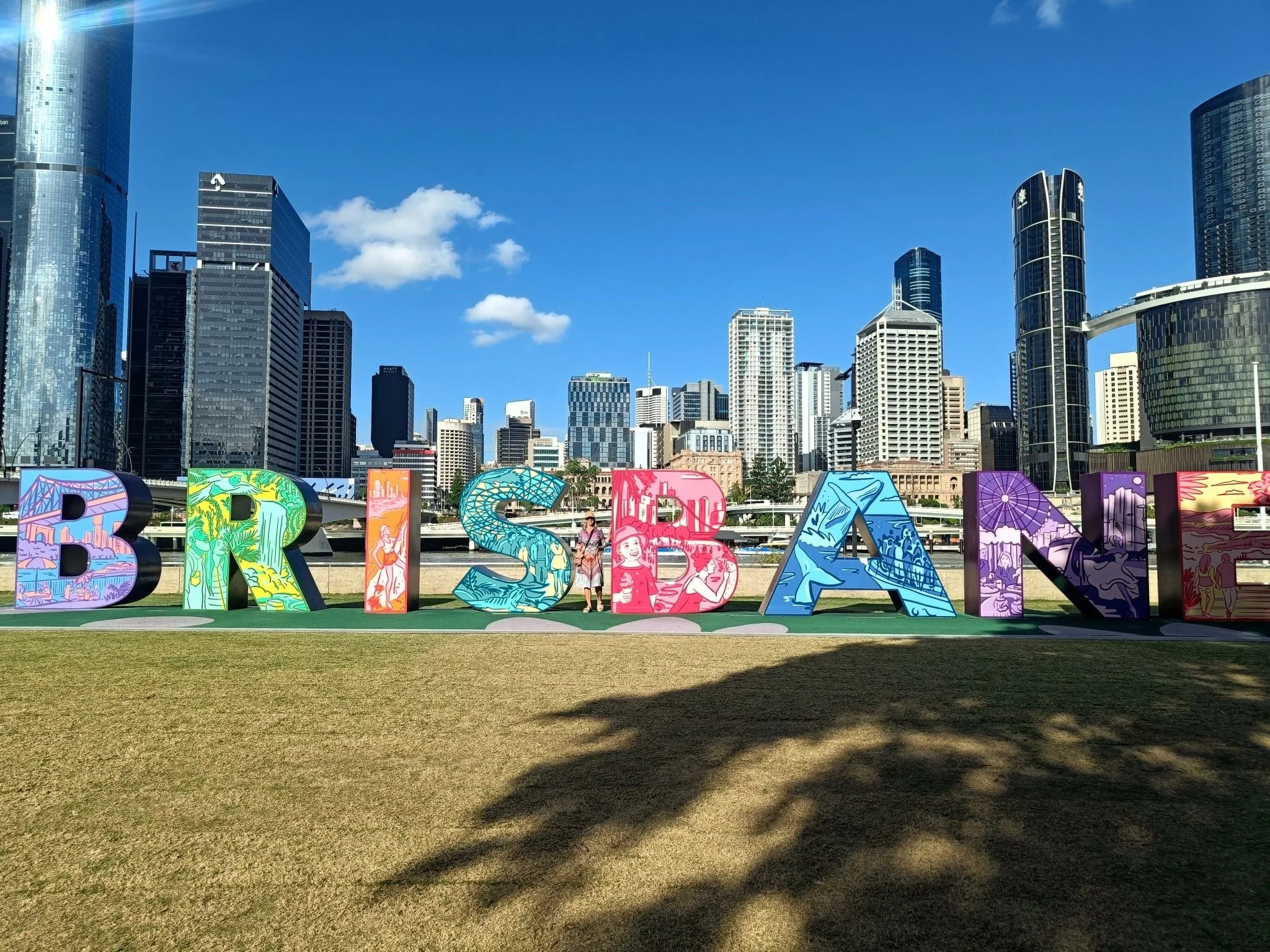
The conversation was framed by upcoming global and national milestones. The Brisbane 2032 Olympic & Paralympic Games were identified as a potential live testbed for circular procurement, reuse systems and recycled-content supply chains – provided these initiatives are designed as lasting capabilities rather than one-off showcases. At the same time, COP31 was highlighted as a critical opportunity for Australia to bring implementation-ready circular economy positions to the global stage.
Europe–Australia collaboration moving forward
Dra wing on her dual role as Founder and Director of Circular Change and Chair of the European Circular Economy Stakeholder Platform,Godina Košir underlined the value of continued Europe–Australia exchange. The dialogue initiated on the Gold Coast will continue in spring 2026 through a dedicated EU Circular Economy Talk, further strengthening cross-continental collaboration and supporting the shift from pilots to system-level impact.